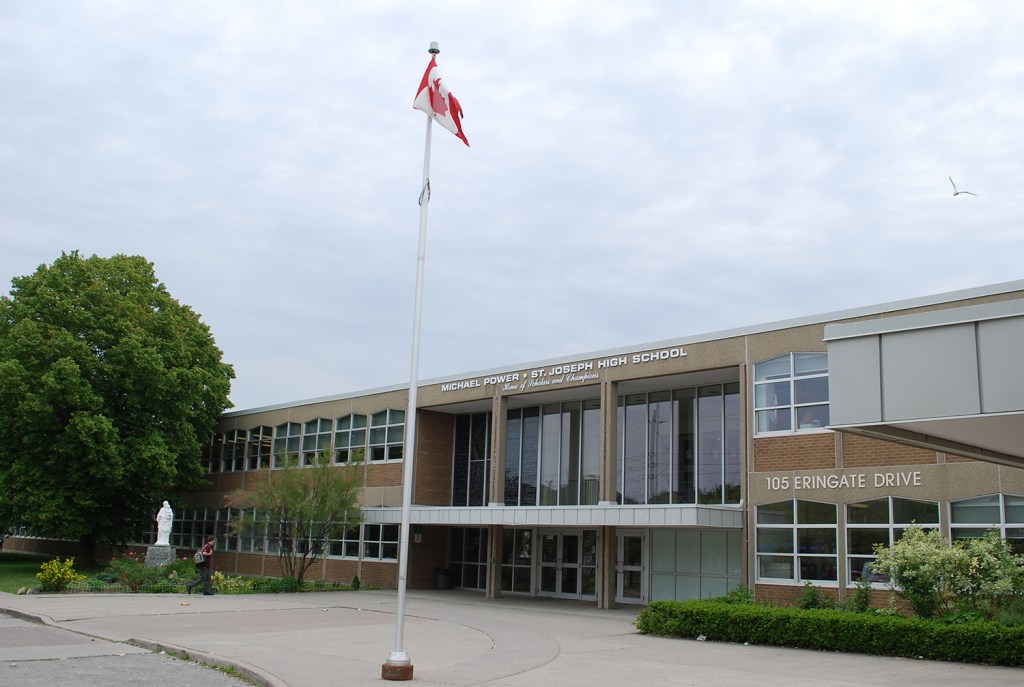
Michael Power–St. Joseph Catholic Secondary School Long-Term Occasional Teacher | 2025–2026
A year of teaching, learning, creating, and building meaningful connections with secondary students.
Teaching in Action
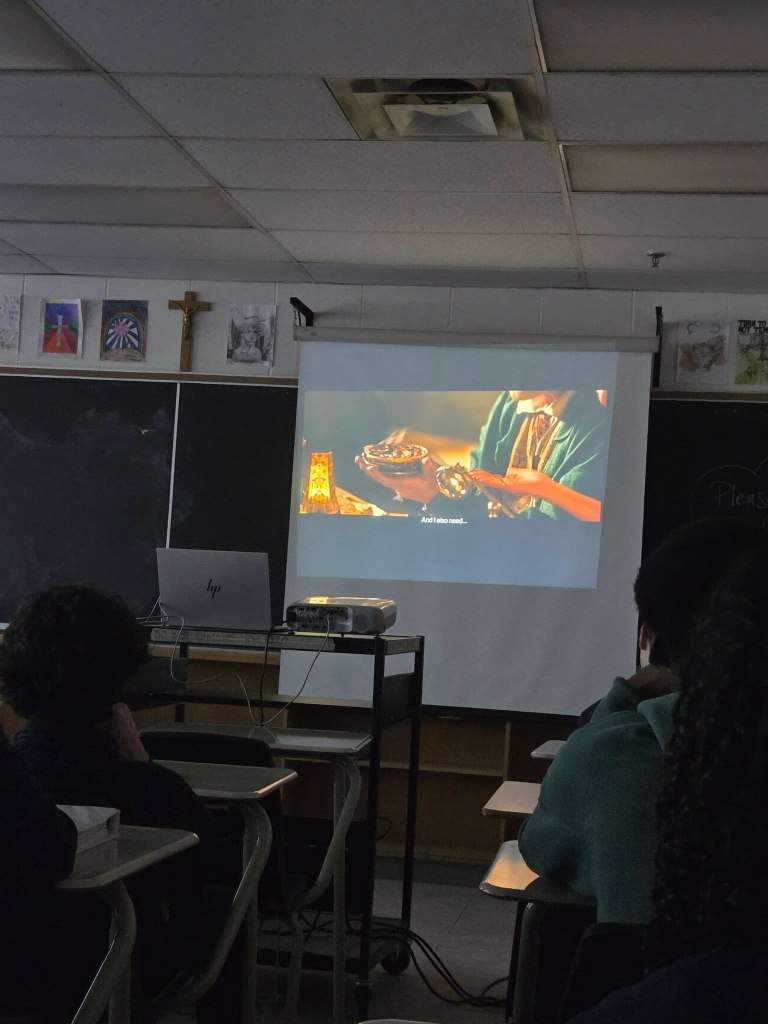
My time at Michael Power–St. Joseph gave me the opportunity to step fully into the work of a secondary educator. I planned and delivered curriculum, assessed student learning, supported diverse learners, and created opportunities for students to engage with literature, writing, critical thinking, and creative expression.
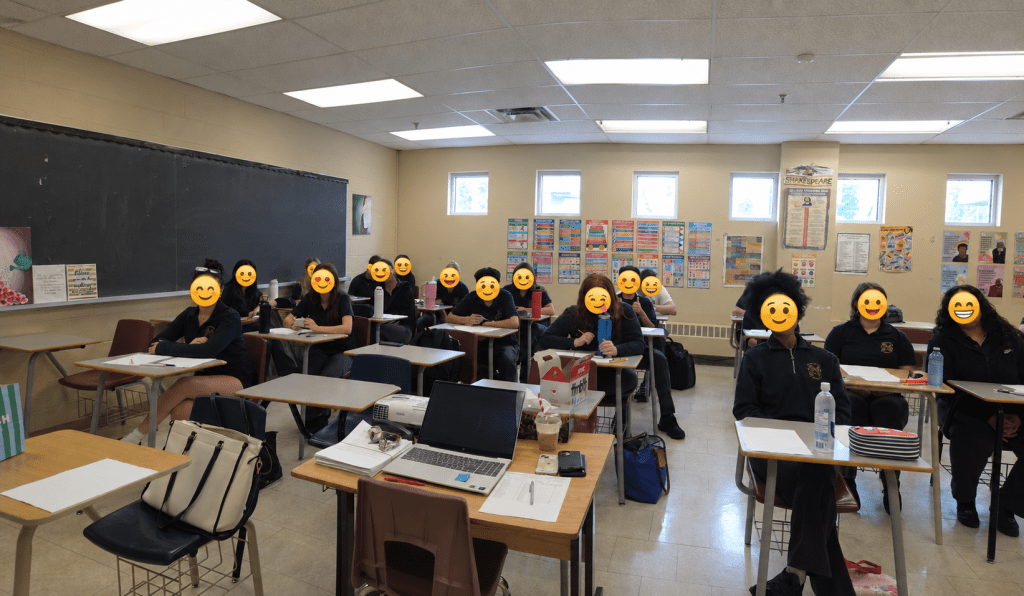
My classroom was a place for students to ask questions, explore ideas, develop their voices, and make meaningful connections between what they were learning and the world around them.
Whether we were exploring literature, developing writing skills, presenting ideas, or engaging with contemporary issues, I wanted students to understand why their learning mattered.
My classroom priorities
Critical Thinking Encouraging students to question, interpret, evaluate, and develop their own perspectives.
Communication Helping students become more confident readers, writers, speakers, and listeners.
Creativity Providing opportunities for students to demonstrate understanding in ways that extend beyond traditional written responses.
Student Voice Creating space for students to bring their experiences, ideas, interests, and perspectives into the classroom.
Courses & Teaching Experience
My teaching at MPSJ spanned secondary English, Religion, literacy development, and student support. Across these experiences, I planned curriculum-aligned lessons and units, developed assessments, provided descriptive feedback, and adapted instruction to meet the needs of individual learners.
Grade 9 Religion
Grade 10 Applied English
Grade 10 Academic English
Grade 11 University Preparation English
Grade 12 College Preparation English
Making Literature Visible
Literature does not have to remain on the page.
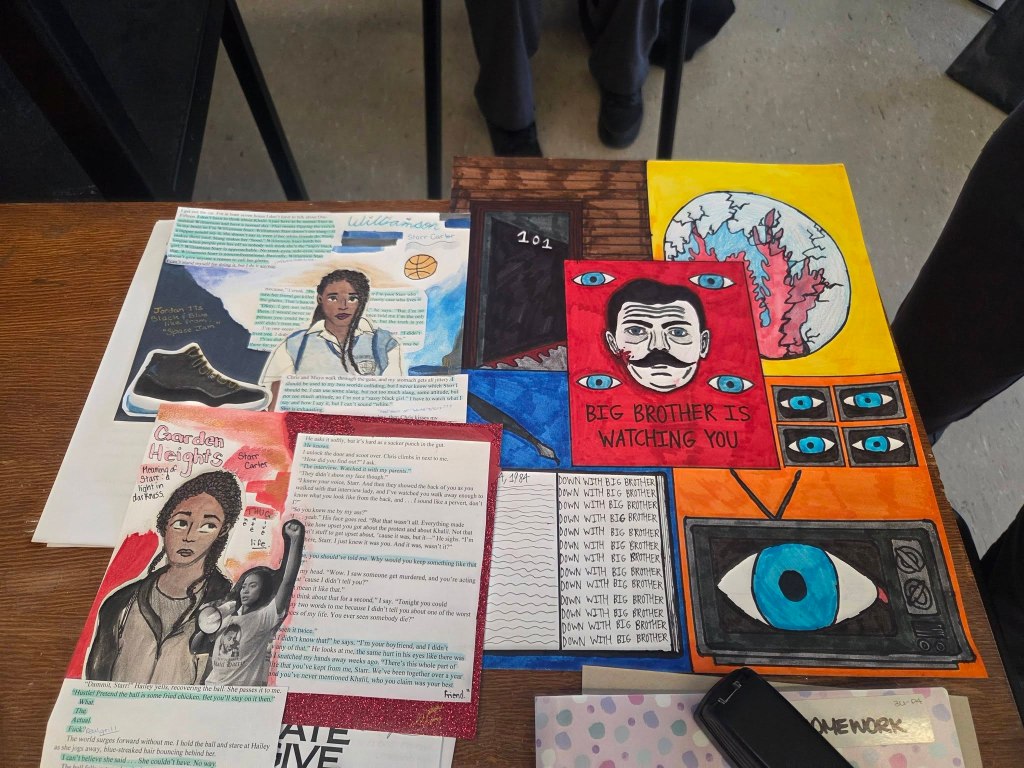
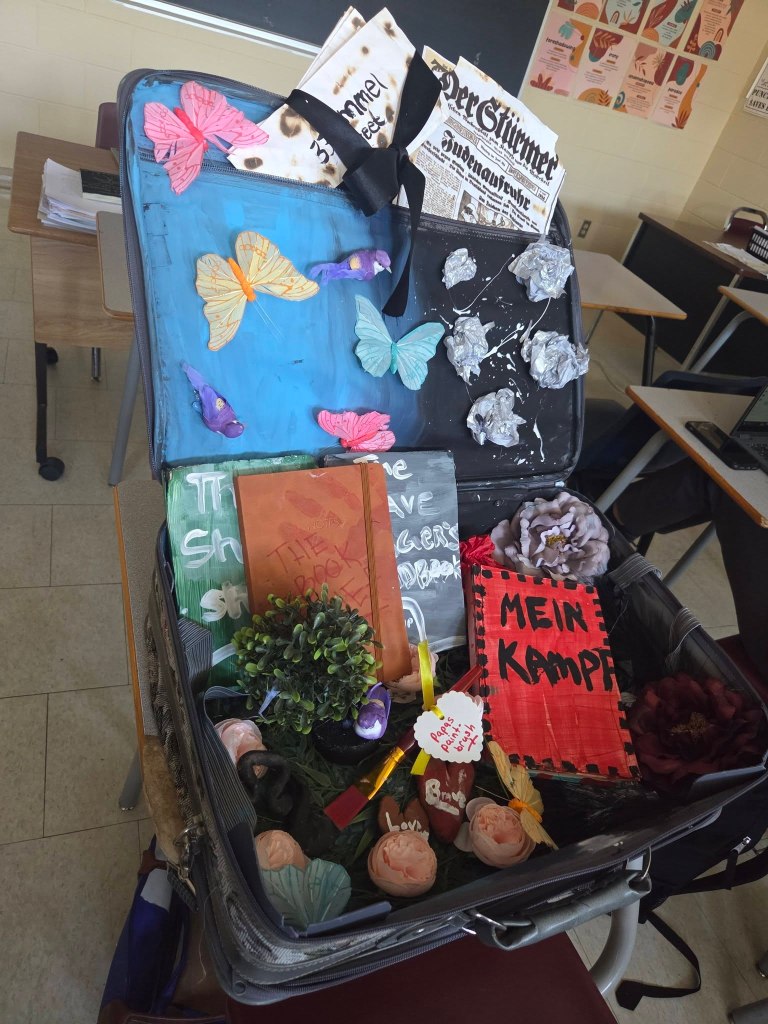
I enjoy creating opportunities for students to demonstrate their understanding through visual, creative, analytical, and multimodal responses. These projects allowed students to explore character, symbolism, theme, setting, conflict, and social context while making their interpretations tangible.
Rather than asking students simply to tell me what a text meant, I encouraged them to show me how they understood it.
The result was a classroom filled with student thinking, creativity, interpretation, and conversation.
Student literary responses
Students used creative formats to explore:
Character development
Theme and central ideas
Symbolism and motifs
Social and historical context
Character relationships
Conflict and perspective
Personal connections to literature
Visual representations of textual meaning
The goal was never simply to make something that looked good. The creative process was another way of thinking.
Creating Spaces for Student Voices
Writing Beyond the Classroom
Writing is not only an academic skill. It can also be a way for students to explore ideas, experiment with language, discover their voices, and connect with other people.
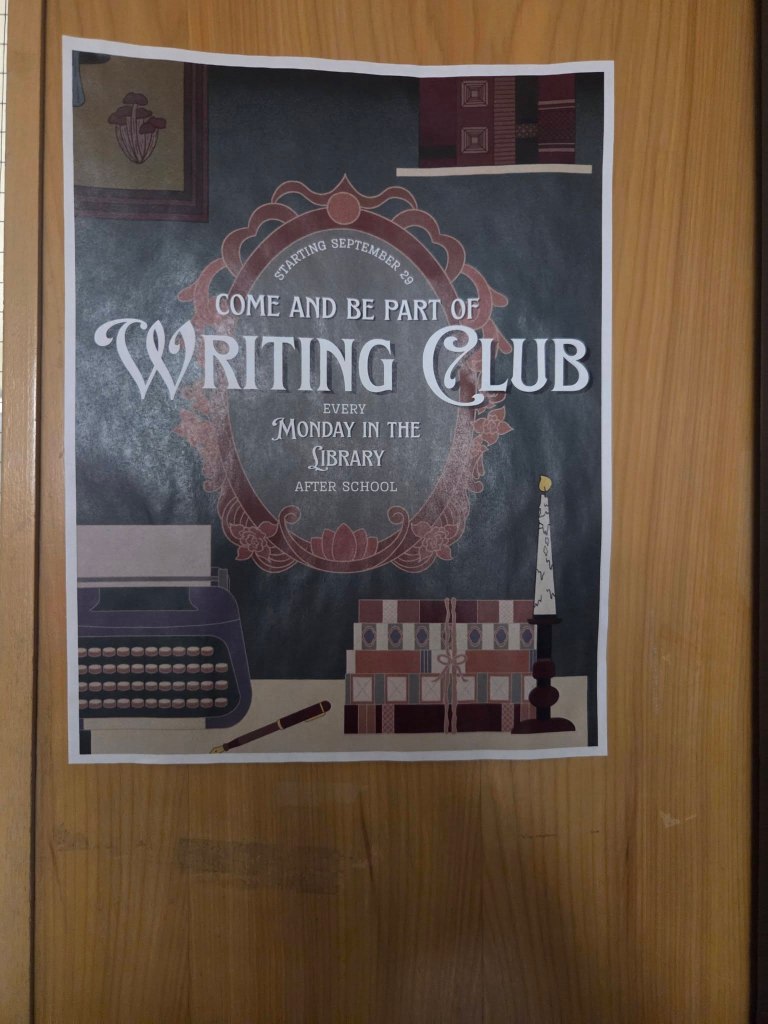
Creating opportunities such as Writing Club allowed students to engage with writing outside the traditional structure of an English assignment.
The Writing Club provided space for students to write, share, experiment, and simply enjoy the process of putting ideas onto a page.
Writing Club
Creative Writing Exploring stories, poetry, personal writing, and imaginative ideas.
Student Voice Giving students a space to write about the things that matter to them.
Community Building connections through shared interests and creative expression.
Confidence Helping students see themselves as writers rather than simply students completing writing assignments.
Student Life & Community Involvement
Teaching extends beyond the classroom. Over the course of a 10-month school year at MPSJ, I contributed to nine school events and initiatives, alongside academic support, fundraising, and community-building activities.
Grade 12 Graduation Luncheon & Ceremony
Grade 12 Prom
Grade 10/11 Semi-Formal
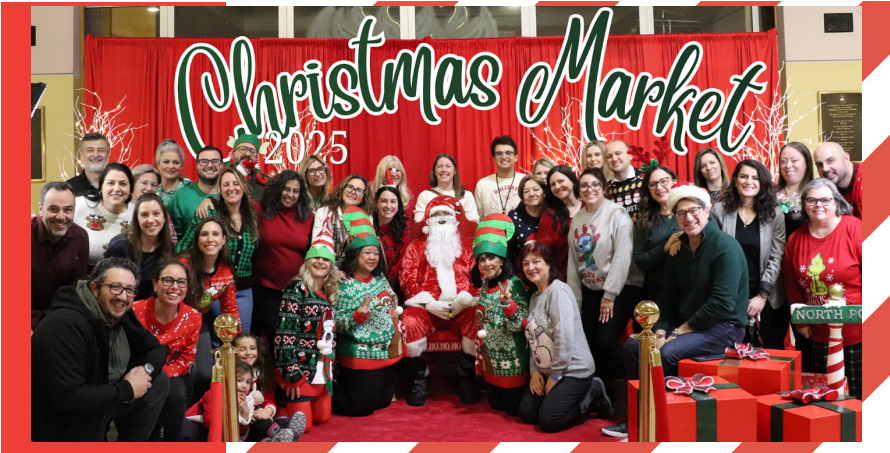
Christmas Market
Christmas Concert
Senior vs. Junior Basketball
Relay for Life / Cancer Fundraiser
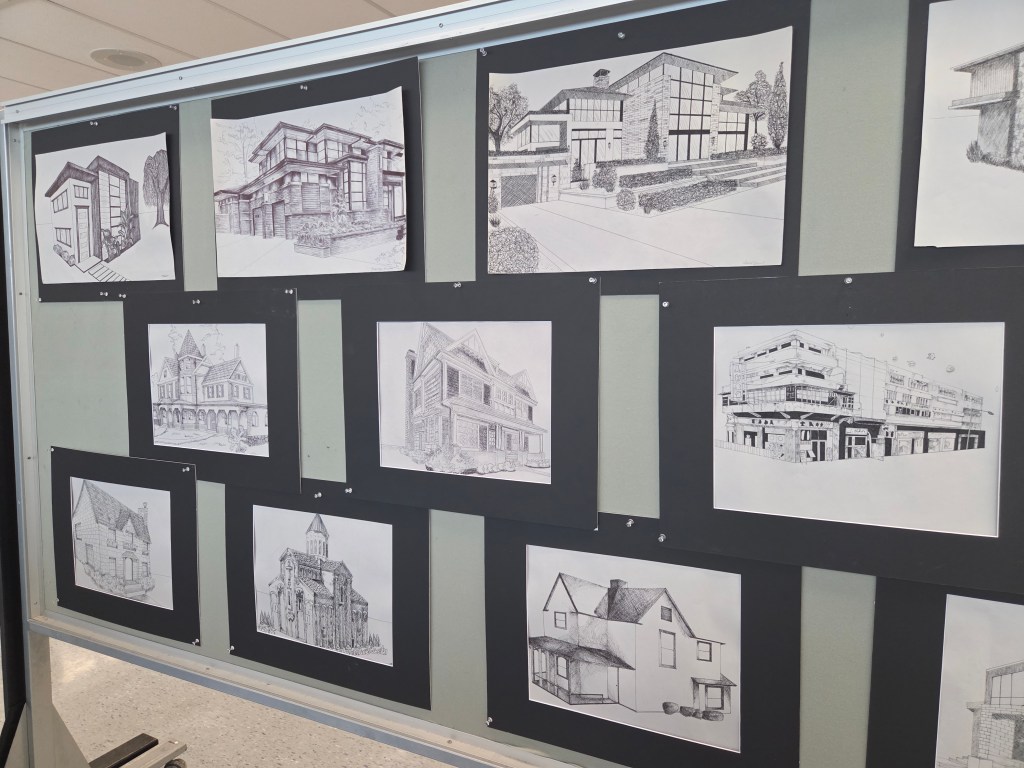
End of Year Art Exhibit
Grades 9 & 10 Homework Hub
Learning Beyond the Classroom
Some of the most meaningful parts of teaching happen outside the traditional classroom.
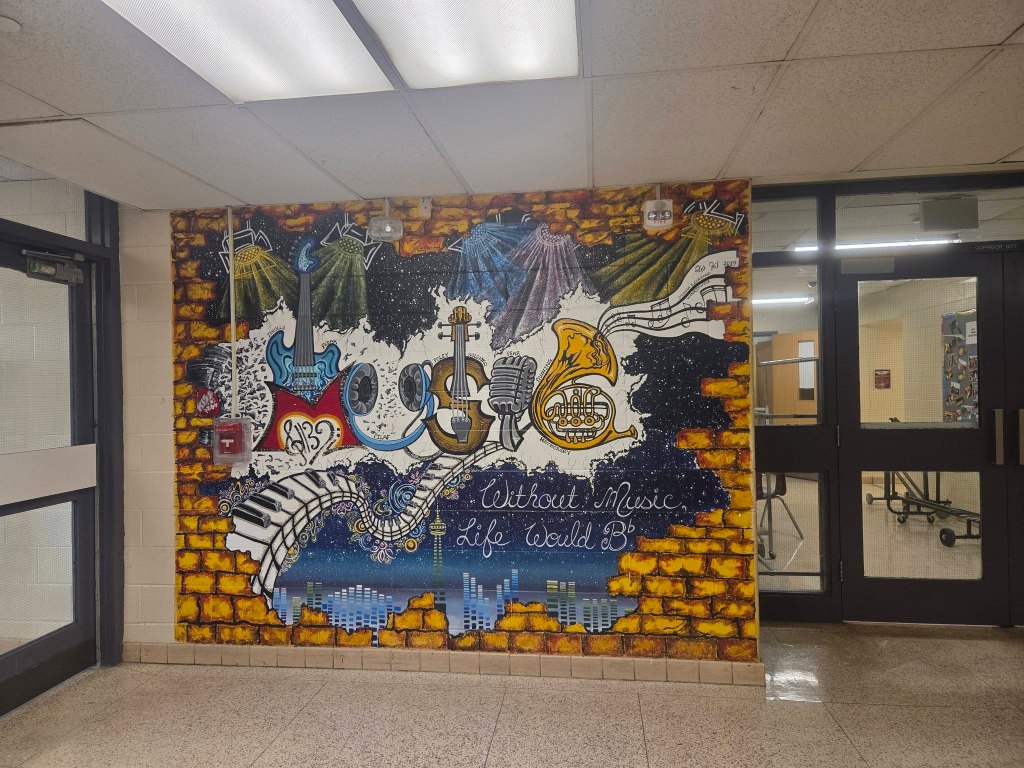
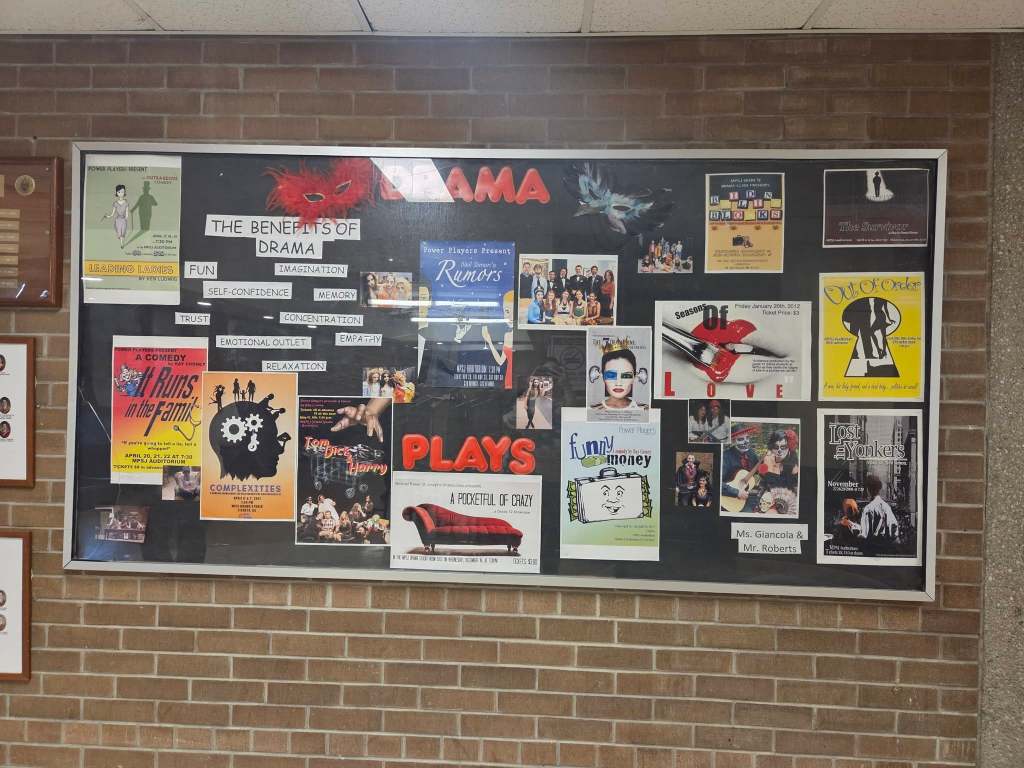
MPSJ has a strong culture of creativity, performance, visual arts, music, and student expression. Being part of that environment reminded me that education is much larger than a timetable or curriculum document.
Students were constantly creating, performing, designing, questioning, and sharing their work.
A community of creators
Drama Performance creates opportunities for students to develop confidence, collaboration, empathy, and communication.
Music Creative expression gives students another language through which to connect with one another and their community.
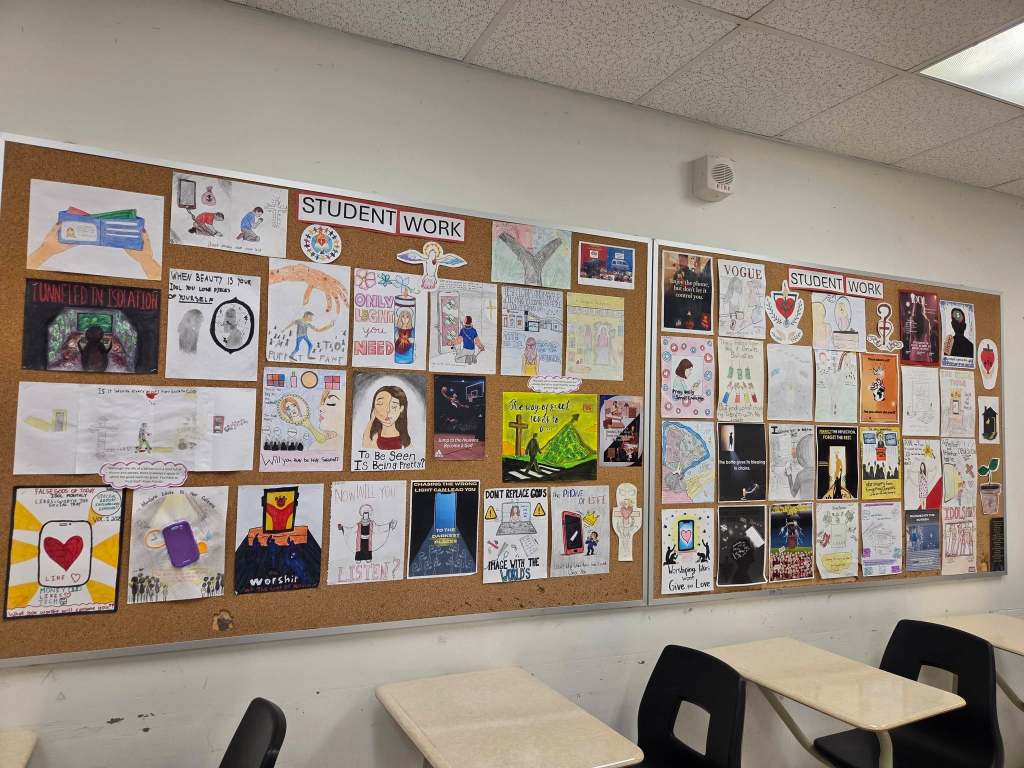
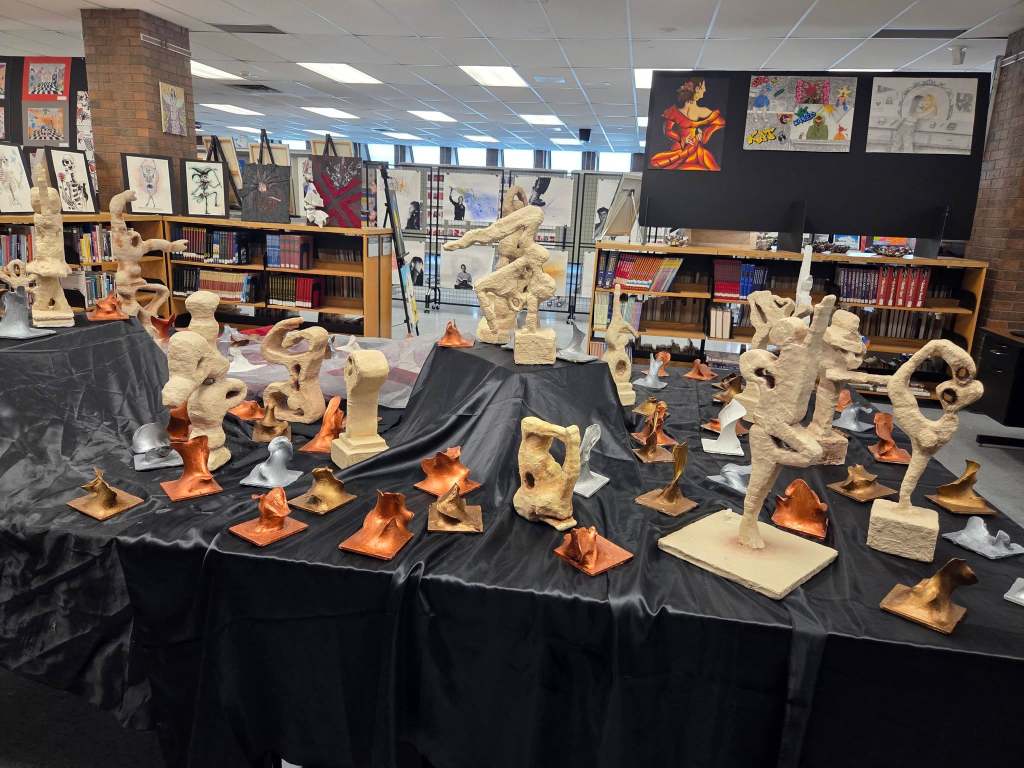
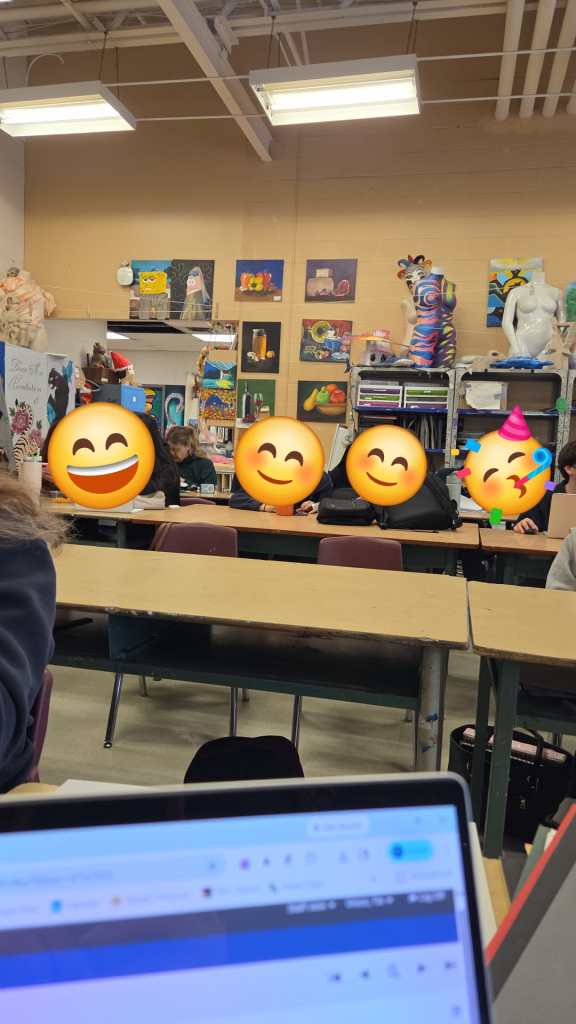
Visual Arts Student artwork transforms school spaces into living galleries of imagination, perspective, and expression.
Student Showcases Displaying student work communicates an important message: what students create is worth seeing.
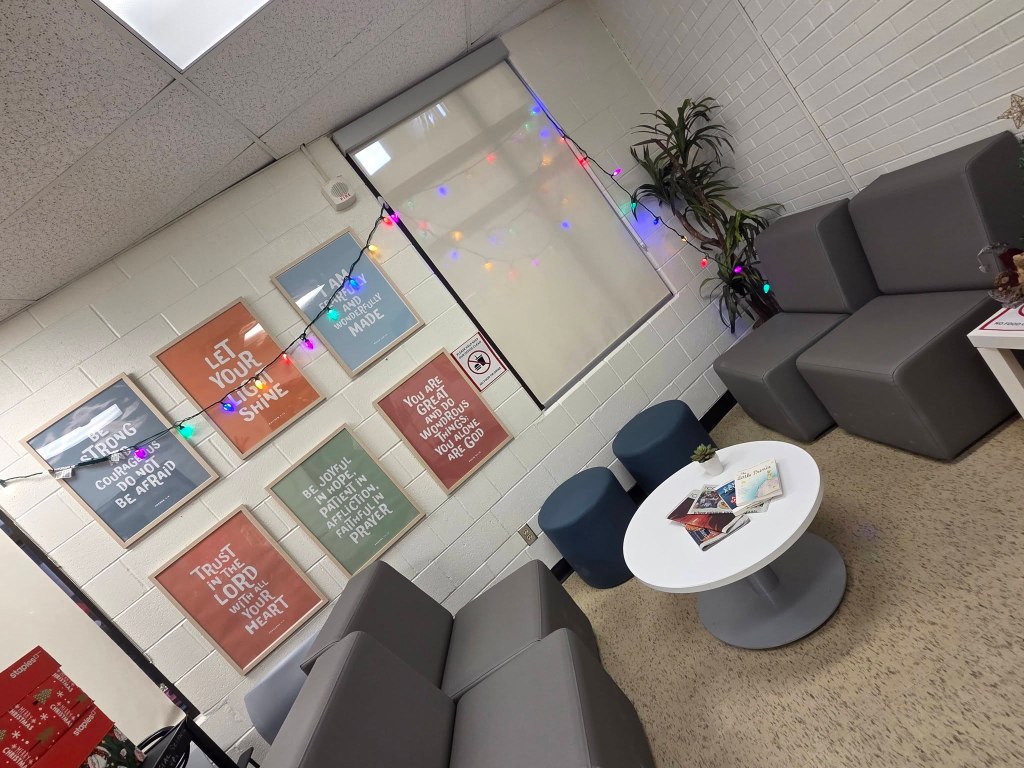
Faith, Reflection & Community
Teaching in a Catholic secondary school means being part of a community that understands education as something larger than academic achievement.
My teaching practice is grounded in the belief that students should be encouraged to consider not only what they know, but also how they use what they know.
Through literature, discussion, reflection, and creative work, students encountered questions surrounding identity, dignity, justice, responsibility, compassion, relationships, and community.
These conversations created opportunities for students to think about their place in the world and the kind of person they want to become.
Education with purpose
Reflection Creating space for students to pause, question, and consider different perspectives.
Dignity Recognizing the value and individuality of every student.
Community Encouraging students to see learning as something that connects us rather than isolates us.
Service Helping students consider how their knowledge, talents, and choices can contribute to something beyond themselves.
Celebrating Student Achievement
When Learning Becomes Meaningful
Some of the most rewarding moments in education happen when student learning extends beyond the classroom.
Projects that connect literature, history, social issues, art, and personal experience can give students opportunities to explore subjects in ways that feel real and meaningful.
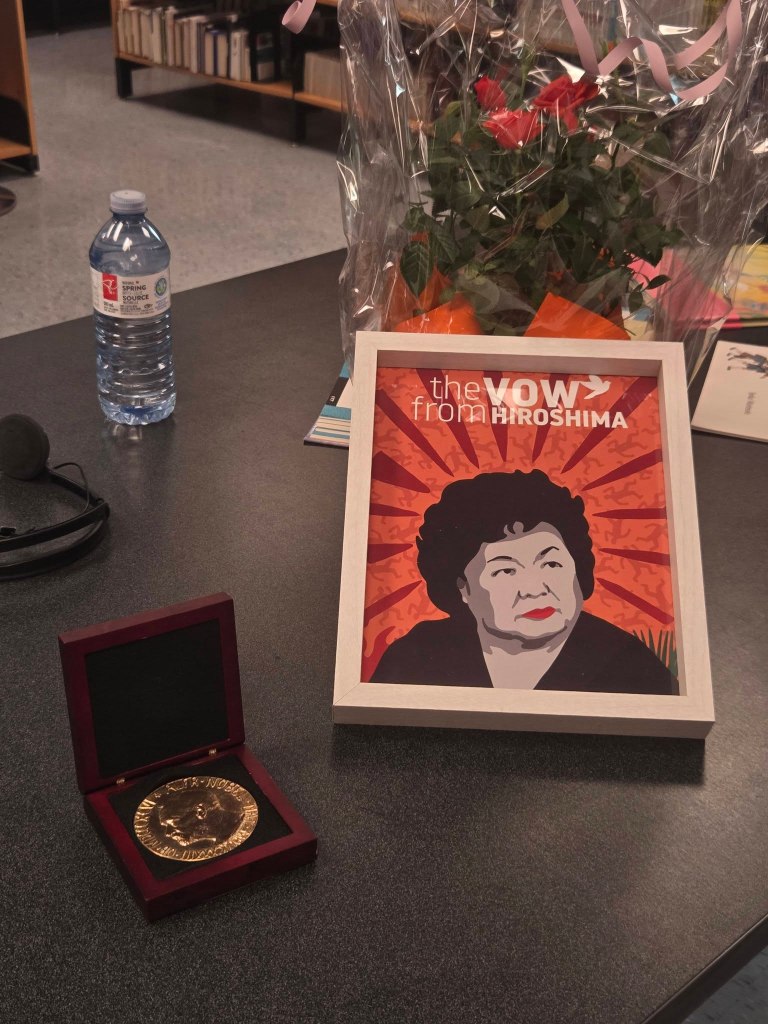
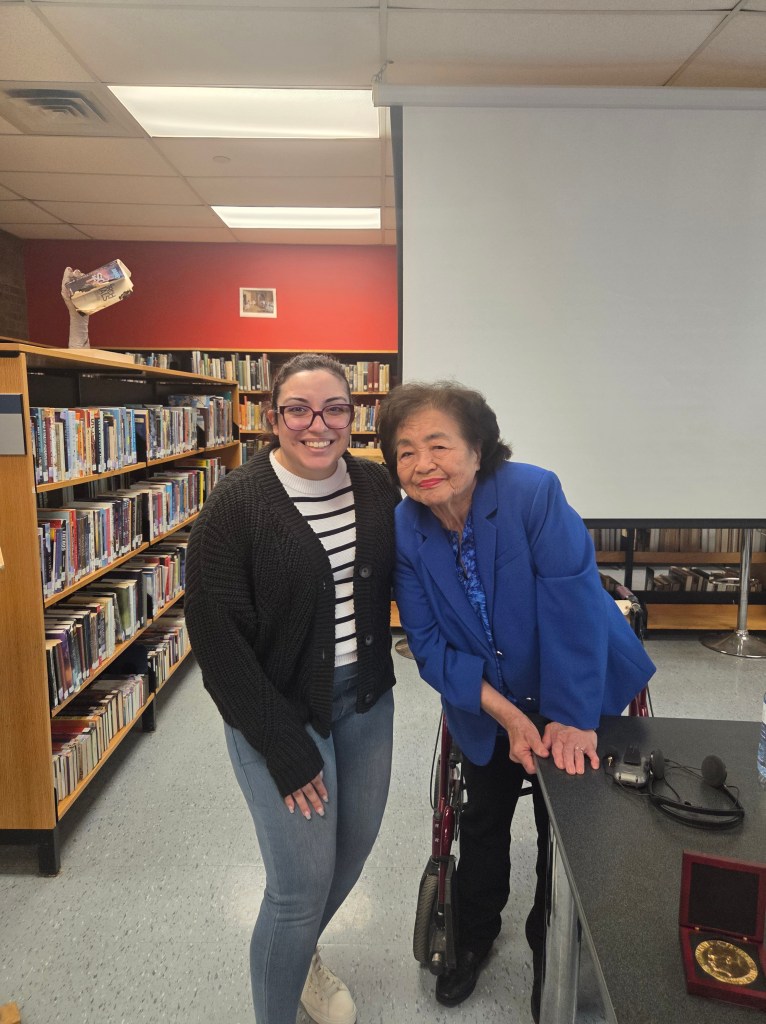
The Voices from Hiroshima work shown here is one example of the kind of interdisciplinary and reflective learning that can emerge when students are given opportunities to engage deeply with important ideas.
These experiences remind me why I teach:
Because learning has the potential to change how students see themselves, other people, and the world around them.
What I Carry Forward
My time at Michael Power–St. Joseph reinforced something I already believed about teaching:
The strongest learning happens when students have both structure and space.
Structure gives students the tools they need.
Space gives them somewhere to take those tools.
Students need clear expectations, purposeful instruction, feedback, and opportunities to develop their skills. But they also need room to question, create, make connections, take risks, and discover their own voices.
Whether students were analyzing a literary text, creating a visual response, writing creatively, participating in a discussion, performing, or sharing their work with the wider school community, my goal remained the same:
Create a classroom where students feel that their ideas matter.
MPSJ reminded me that teaching is not simply about delivering curriculum.
It is about creating experiences that students can carry with them.
A Little More From MPSJ
A school is made up of more than classrooms.
It is made up of the artwork on the walls, the conversations in the hallways, the performances, the student projects, the clubs, the celebrations, the questions, the laughter, and the countless small moments that make a school community feel alive.
I am grateful to have been part of that community and to have learned alongside my students.
Keep Exploring
Teaching is always a work in progress.
My experiences at MPSJ continue to shape how I approach literature, student voice, creativity, and meaningful learning.


 The Sage's Library