Reflective practice is the ongoing process of critically examining one’s own teaching experiences, decisions, and outcomes in order to deepen professional knowledge, improve instructional strategies, and foster continuous personal and professional growth.
It involves not only assessing what worked and what didn’t, but also questioning underlying assumptions, considering diverse perspectives, and aligning actions with educational theory, student needs, and ethical principles.
Importance of Reflective Practice on My Growth
Engaging in reflective practice has been a cornerstone of my development as a lifelong learner and future Catholic educator. Through consistent self-examination, I have been able to bridge the gap between theory and practice, making intentional adjustments to better meet the diverse needs of my students.
Reflective practice has helped me move beyond reactive teaching toward proactive, thoughtful instructional design rooted in differentiation, inclusivity, and compassion.
It has allowed me to critically assess my biases, strengthen my classroom management strategies, and align my teaching with both academic outcomes and Catholic values of dignity, service, and hope.
Ultimately, reflective practice has transformed my teaching into an evolving vocation, rooted in the belief that continuous learning is essential to inspiring, empowering, and guiding every student entrusted to my care.
Creating the Environment for Learning Engagements
Week 1: Establishing a Community of Care In my first week at St. Eugene, I focused on establishing a welcoming and inclusive classroom environment, essential to supporting student well-being and academic growth. Drawing from Maslow’s hierarchy of needs and Catholic teachings on the dignity of the human person, I prioritized building trust through morning check-ins, collaborative games, and structured routines. I modeled respect, gratitude, and patience, encouraging students to mirror these values. I also introduced class agreements created together with students to promote ownership of our collective learning space. This foundation allowed students to feel safe enough to take academic risks, nurturing both their cognitive and socio-emotional development.
Week 2: Building Collaboration through Co-Planning During this week, I collaborated closely with my mentor teacher to co-plan literacy and math lessons. Using Vygotsky’s Zone of Proximal Development, I helped design small-group tasks that scaffolded learning based on students’ current abilities. I incorporated UDL strategies by providing multiple means of representation and engagement, ensuring equitable access to learning. Collaborating to create inclusive tasks aligned with the Catholic Graduate Expectations of nurturing collaboration and stewardship of community resources. Working alongside my mentor and educational assistants taught me the importance of humility, open-mindedness, and the collective responsibility educators hold for all students.
Week 4: Differentiation and UDL Principles This week, I worked with support staff to differentiate instruction for students with IEPs and language needs. I adapted tasks using multimodal resources (visual aids, manipulatives, translated instructions) following CAST’s Universal Design for Learning framework. Offering students voice and choice in assignments promoted agency and allowed them to demonstrate their strengths. This practice honored Catholic values by recognizing and respecting the diverse gifts of every learner. Through differentiation, I moved closer to creating an environment that affirms every student’s dignity and worth.
Week 11: Integrating Indigenous and Western Worldviews In science lessons, I deliberately integrated Indigenous knowledge systems alongside Western scientific inquiry. Students engaged in discussions about stewardship, land-based knowledge, and community responsibility. This approach was guided by the Calls to Action from the Truth and Reconciliation Commission and Catholic social teachings on justice and solidarity. It was powerful to see students recognize multiple truths and ways of knowing, and it challenged me to remain a reflective and culturally responsive practitioner.
Week 12: Celebrating Community Through a Gallery Walk Our Gallery Walk, featuring student projects, celebrated community, creativity, and collaborative achievement. Students were encouraged to give each other positive feedback, reinforcing the value of mutual support and appreciation. This event tied to Catholic education’s commitment to recognizing individual talents as contributions to the common good. Witnessing the pride students had in their work reaffirmed my belief in student-centered, relational teaching.
Classroom Discourse
Week 3: Initiating Inquiry-Based Learning Launching inquiry-based projects allowed students to become investigators of their own learning, embodying Dewey’s belief in experiential education. I structured open-ended science experiments where students generated their own questions about the natural world. By moving from teacher-led explanations to student-driven exploration, I honored students’ curiosity and critical thinking abilities. This aligned with Catholic values of fostering wonder, stewardship, and a love of creation.
Week 8: Empowering Student Voice and Ownership In week eight, I initiated student-led conferences. Students presented their work, reflected on their growth, and set new goals. This practice, influenced by Freire’s critical pedagogy, empowered students to see themselves as co-constructors of knowledge. Through this process, I witnessed a profound increase in student self-awareness and pride, demonstrating the importance of agency, voice, and dignity in learning environments.
Week 9: Success Criteria and Visible Learning Collaborating with students to co-create rubrics made learning goals transparent and achievable. I drew from Hattie’s research on Visible Learning to guide students through setting success criteria. Engaging students in this process affirmed that assessment should be empowering, not punitive, and it emphasized the Catholic virtue of responsibility for one’s own growth.
Week 10: Critical Thinking and Debate Facilitating debates in geography and real-world issues helped students practice respectful, evidence-based argumentation. I framed debates around current events, encouraging ethical reflection and critical evaluation of diverse perspectives. Encouraging students to “disagree without being disagreeable” promoted intellectual charity — an important virtue in Catholic education and citizenship.
Individual Learning Engagements
Week 5: Formative Assessment for Growth I embedded ongoing assessment strategies such as exit tickets, mini-conferences, and visual goal charts. Drawing from Dylan Wiliam’s formative assessment research, I saw assessment shift from a final judgment into a continual conversation about growth. This approach reflected the Catholic value of hope — believing in each student’s ability to improve through perseverance and grace.
Week 6: Professional Collaboration and Interdisciplinary Planning Collaborating across departments to integrate Black History Month into language arts and art lessons reinforced interdisciplinary connections and supported diverse ways of knowing. This experience taught me that real-world learning is holistic, much like Catholic education, which seeks to form the whole person intellectually, socially, and spiritually.
Week 7: Flexibility and Student-Centered Management When unexpected schedule changes occurred, I practiced flexibility, calming transitions, and differentiated expectations. Using Glasser’s Choice Theory, I maintained respectful authority while adapting to students’ emotional and learning needs. Reflecting on this reminded me that dignity, patience, and relational trust are the backbone of effective classroom management.
Week 13: Preparing Students for Summative Assessments Leading up to culminating tasks, I implemented review games, scaffolded supports, and small-group tutoring sessions. Guided by backward design (Wiggins & McTighe), I ensured every lesson linked clearly to final expectations. This careful preparation reflected prudence — one of the cardinal virtues — ensuring students were set up for meaningful success.
Learning Engagements Within Units
Week 8 (continued): Student-Led Conferences and Peer Teaching Student-led conferences and peer feedback sessions became cornerstones of our inquiry projects, building leadership and reflective skills. Students took increasing ownership of their learning journey, mirroring the Catholic expectation of self-directed, ethical growth.
Week 12 (continued): Gallery Walk Culmination The Gallery Walk was not simply a showcase but a culmination of interdisciplinary inquiry projects. By celebrating diverse expressions of learning, we affirmed the Catholic belief that each student’s contributions enrich our shared community.
Week 14: Fostering Student Independence Gradual release strategies (Fisher and Frey) structured final projects. I supported students as they transitioned from guided tasks to independent synthesis of knowledge. Watching students self-advocate and manage complex tasks reinforced my commitment to nurturing critical, resilient learners who will act as future leaders of compassion and justice.
Week 15: Closure, Reflection, and Hope Our final week involved collective and individual reflections on growth, learning, and hopes for the future. This emphasis on gratitude, community, and hope resonated with the Catholic call to remain steadfast in faith and love throughout life’s transitions.
Professionalism
Week 2 (continued): Professional Growth through Co-Planning Working side-by-side with my mentor and staff, I participated actively in unit planning, assessment design, and interdisciplinary collaboration. Through this, I experienced the strength of professional community and modeled the lifelong learner mindset.
Week 6 (continued): Collaboration and Resourcefulness Attending resource meetings, PD workshops, and collaborative planning sessions affirmed that teaching excellence is communal, not solitary. Catholic teachings on service and solidarity framed my understanding of professional responsibility.
Week 11 (continued): Cultural Responsiveness and Catholic Social Teaching Embracing diverse cultural knowledges in the curriculum reaffirmed my dedication to justice, inclusion, and the preferential option for the marginalized — all core tenets of Catholic social justice education.
Week 15 (continued): End-of-Placement Reflections and Lifelong Learning Ending my final placement, I recognized that to teach is to be constantly transformed — by students, by community, and by God’s grace. I am called to remain open-hearted, curious, and resilient as I continue to grow in faith, knowledge, and service.
EDPR 4000 – Year 2, Winter Placement Highlights
Assumed primary teaching responsibility during the 4-week block
Developed and delivered unit plans across multiple subject areas
Provided differentiated instruction for ESL and IEP learners
Incorporated yoga and wellness strategies into classroom routines
Led and supported school-wide initiatives (fitness night, movie night, tournaments)
Demonstrated flexibility, initiative, and reflective practice
Maintained confidentiality, professionalism, and ethical standards
Closing Reflection
Thank you for taking the time to explore my final practicum journey. My placement at St. Eugene Catholic School has been a transformative experience that deepened my commitment to inclusive education, critical reflection, and fostering the dignity of every learner.
Placements are essential opportunities for growth and study. Through daily collaboration with my mentor teacher, educational staff, and fellow teacher candidates, I was able to bridge theory with practice and develop skills grounded in compassion, equity, and excellence. Most importantly, my students became some of my greatest teachers — reminding me that education is a reciprocal journey of discovery, resilience, and hope.
Every lesson, conversation, and challenge reaffirmed my belief that to teach is to be a lifelong learner: someone who approaches each day with humility, curiosity, and the unwavering desire to empower others. As I move forward, I am guided by the values of faith, service, and the steadfast commitment to building classroom communities where every student can thrive.
“Education is the most powerful weapon which you can use to change the world.” — Nelson Mandela
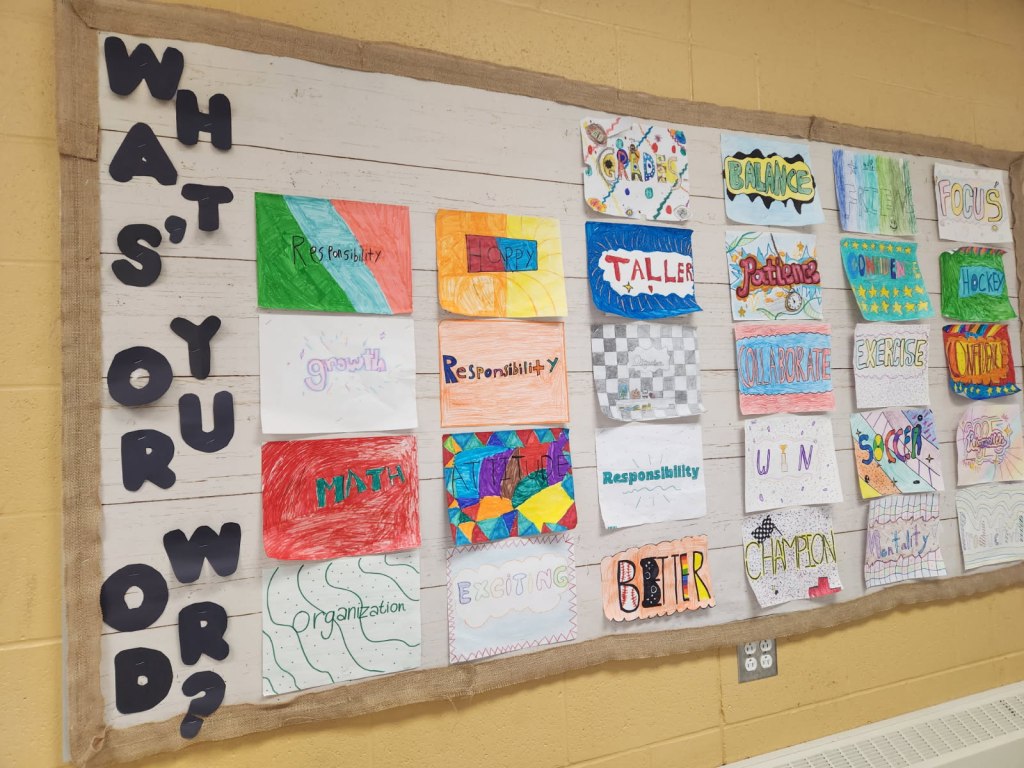
Our classroom community reflected the virtues of responsibility, collaboration, and growth. This board reminds me daily that we not only teach students — we learn with them and from them.
 The Sage's Library: Education Untold