Faith.
Belonging.
Opportunity.
Welcome to the St. Angela Catholic Elementary School Community Resources page!
At St. Angela, we are committed to supporting our students and their families both inside and outside the classroom. This page is designed to provide important information about local services, programs, and community resources that can help enhance the well-being, academic success, and social involvement of our students and their families. Whether you’re seeking assistance with health, education, extracurricular activities, or simply need some guidance, this page serves as a one-stop guide to the valuable resources available in our community.
We encourage families to take advantage of these resources and get involved in the various opportunities to strengthen our school community. Should you need further assistance or have questions, please do not hesitate to reach out to the school administration or any of the contacts listed below.
So, I cordially invite you to our community. I hope you find your place here in our little corner of the world.
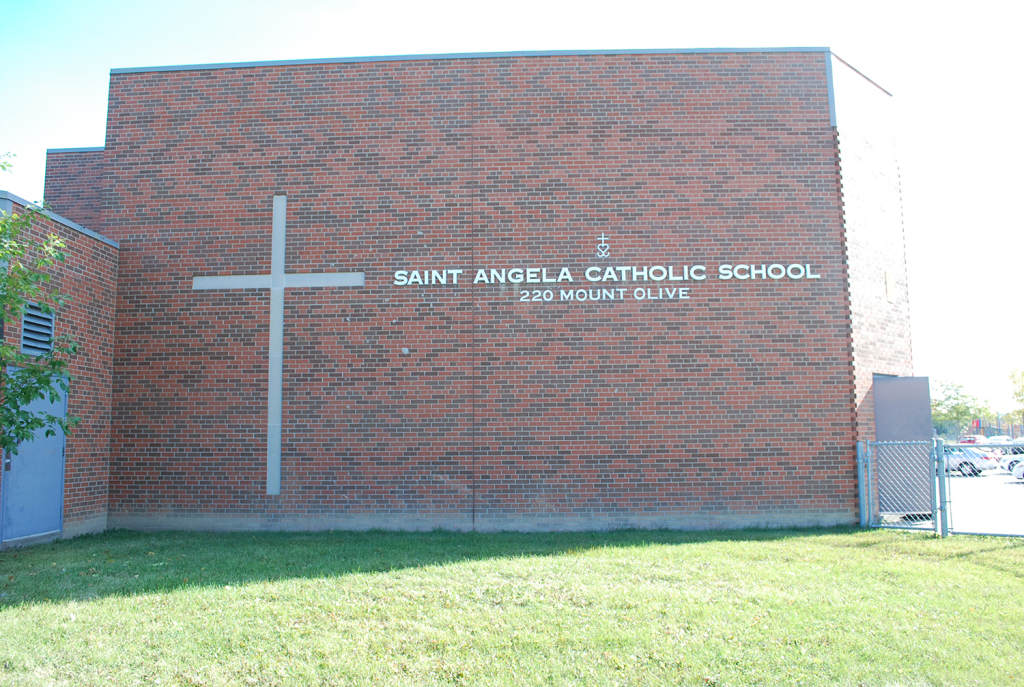
Building Bridges: Fostering Connections and Growth within Our School Community

At St. Angela Catholic Elementary School, we believe in the power of connection and collaboration. Building bridges between families, educators, and the community is at the heart of what we do. By nurturing strong relationships, we create a supportive environment where students can thrive academically, socially, and spiritually. Our goal is to foster a sense of belonging and shared purpose, empowering every member of our school community to grow, learn, and succeed together.
At the heart of our philosophy is the belief that a strong sense of belonging is essential for each student’s success. By fostering relationships based on trust, respect, and shared values, we create a nurturing space where students are not only encouraged to excel academically, but also to develop socially and spiritually. Our students are encouraged to grow in their faith, learn to care for others, and contribute positively to the world around them.
Through this collective effort, we aim to empower each member of our school community—students, families, educators, and staff—to reach their fullest potential. We are committed to walking together on this journey, ensuring that everyone has the resources, support, and opportunities they need to thrive. Our ultimate goal is to build a culture where every individual is valued, every voice is heard, and every member of the community feels a deep sense of purpose and connection. Together, we can ensure that our students succeed, not just in their studies, but in becoming compassionate, responsible, and engaged citizens in the world.
Health & Well-Being Resources:
Toronto Public Health
Ensuring the health and safety of children is a top priority, and Toronto Public Health provides a wide range of services to assist families. From vaccination clinics to nutrition and mental health support, they are an essential resource for our community.
Services: Immunization clinics, parenting support, health education, mental health programs for youth, and nutritional counseling.
Website: https://www.toronto.ca/community-people/health-wellness-care/
SickKids Hospital Community Outreach
SickKids is not only a leading healthcare provider but also deeply involved in community outreach. Through partnerships and local initiatives, SickKids offers support for families facing health challenges.
Services: Pediatric health services, mental health counseling, family assistance, and social services.
Website: https://www.sickkids.ca/
Kids Help Phone
Available to both children and parents, Kids Help Phone offers free and confidential counseling services via phone, text, and online chat. The service provides immediate support for mental health, emotional concerns, and general well-being.
Services: Counseling for youth and families, crisis support, mental health resources, and online therapy.
Website: https://kidshelpphone.ca/
Toronto Public Library – Albion Location
The local library is an excellent space for students and families to explore educational resources, access books for school projects, and engage in educational programs. With numerous events and workshops tailored to children of all ages, the library fosters a love of reading and learning.
Services: Homework help, literacy programs, reading challenges, and access to digital resources.
Website: https://www.torontopubliclibrary.ca/
Big Brothers Big Sisters of Toronto
Through mentoring programs, Big Brothers Big Sisters provides positive role models for young people. Mentorship helps build confidence, provide guidance, and expand opportunities for youth in need.
Services: One-to-one mentorship, leadership development, career exploration, and social skills training.
Website: https://bbbstoronto.com/
Resources to Support Students, Families, and Educators in the Community
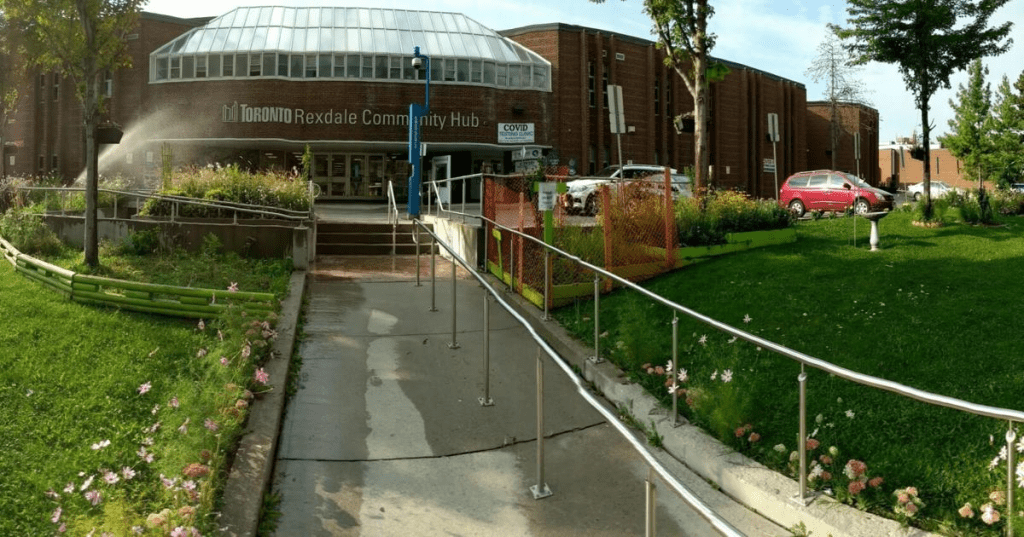
Prominent community organizations that support students, educators, and families in the neighborhood include:
Artists to Artists Foundation
Fosters and promotes the arts in communities, with a special emphasis on disadvantaged communities. Providing leadership and support to individuals in the arts through funding, mentorship, sharing of resources, skills and expertise.
www.artiststoartists.org
Sai Dham Food Bank
Address: Entrance from the side, 31 Steinway Blvd, Etobicoke, ON M9W 6N3
Email: support@saidhamcanada.com
Phone: +1 (437) 988-4422
Rexdale Community Hub
A vital resource in the Rexdale neighborhood of Toronto, providing a wide range of services and programs designed to meet the needs of local residents. It acts as a central point for various community initiatives and aims to improve the quality of life for families, individuals, and youth in the area. They are committed to helping all children reach their full potential and thrive. Knowing that the best way to help a child succeed is to also support the child’s family and community, we offer programs and services for children and those closest to them.
T: (416) 741 3000 ext. 241 or 246
Contact@rexdalehub.org
www.rexdalehub.org
Albion Pool and Health Club
The Albion Pool and Health Club is a community recreation facility located at 1485 Albion Road in Toronto, Ontario. Operated by the City of Toronto, it offers a variety of amenities and programs designed to promote health and wellness among residents.
Address: 1485 Albion Road, Toronto, ON M9V 1B2
Phone: +1 416-394-8676
Website: City of Toronto – Albion Pool and Health Club
Benefits of a School-Community Collaboration
Building a solid link between the neighborhood community and the school community is crucial for several reasons, each of which plays a significant role in the growth and success of students, families, and the broader community. Here’s an in-depth look at why this connection is so important:
1. Enhanced Student Support
A strong relationship between the school and the community fosters a more supportive environment for students. When schools engage with local organizations, businesses, and services, they can provide additional resources, programs, and support systems to help students thrive academically, socially, and emotionally. For example, mentorship programs, tutoring, and mental health services that are rooted in the community can provide students with the extra support they need to overcome challenges and reach their full potential. Additionally, when students see their community actively involved in their school life, it enhances their sense of belonging and motivates them to do well.
2. Increased Parental Involvement
When schools and communities build strong relationships, parents are more likely to get involved in their children’s education. Schools that encourage and welcome parental involvement not only benefit from greater engagement but also foster a partnership where families feel more invested in the school’s success. This involvement might take the form of volunteering, attending school events, or collaborating on initiatives that improve student outcomes. Parents who are connected to both the school and the community are more likely to support the school’s efforts, advocate for their children’s needs, and contribute to creating a positive school culture.
3. Cultural Understanding and Diversity
Neighborhoods are often composed of diverse populations with various cultural backgrounds. By linking the school to the community, both educators and students can gain a better understanding of different cultural practices, languages, and traditions. This mutual exchange enriches the educational experience and promotes inclusivity, empathy, and respect for diversity. Schools that are deeply connected to their community are better equipped to provide culturally responsive teaching, celebrate diversity, and ensure that all students feel seen and valued. This also helps students develop a global perspective, which is crucial in an increasingly interconnected world.
4. Resource Sharing and Collaboration
One of the major benefits of a strong school-community link is the ability to share resources and collaborate on projects and initiatives. Local organizations, businesses, and community leaders can provide resources such as funding, expertise, and services that might not otherwise be available through the school’s budget. In return, the school can offer the community opportunities for learning, skills development, and youth engagement. For example, a local business might offer internships or apprenticeships for students, while the school can provide educational programs to the neighborhood. This partnership maximizes available resources, ensuring that both the school and the community benefit from one another.
5. Community Development
When schools and neighborhoods collaborate, they contribute to the broader development of the community. Schools are often the heart of a neighborhood, and by strengthening ties between the two, they help create a more vibrant, engaged, and supportive community. The sense of pride in a school can spread to the wider area, encouraging community members to become more involved in improving local conditions. Whether through neighborhood clean-up efforts, local events, or joint educational initiatives, the partnership between school and community fosters a shared responsibility for building a better environment for everyone.
6. Preparation for Life Beyond School
A school that is well-connected to the community helps prepare students for life beyond the classroom by exposing them to real-world experiences and opportunities. Students can interact with community members and local organizations, which allows them to gain practical skills, explore career interests, and build professional networks. The connections between the school and the community also teach students about civic responsibility, social engagement, and the importance of giving back to society. This foundation of real-world learning helps students transition more smoothly from school to work, college, or other paths in life.
In summary, a strong connection between the school and the neighborhood community has far-reaching benefits. It enhances the support network for students, encourages greater parental involvement, promotes understanding and inclusivity, facilitates resource sharing, contributes to community development, and prepares students for success in life beyond school. Building this bridge is essential for fostering a thriving, collaborative environment where students and families can grow together, and the entire community can benefit.
Structures Supporting Learning in a School Community
In every thriving school community, there are a variety of structures that work together to support and foster student learning. These structures, both formal and informal, create an environment where students feel safe, supported, and encouraged to reach their full potential. From classroom dynamics to community partnerships, every aspect plays a role in ensuring that education is not just about academics but also about building skills for life. In this blog post, we’ll explore the essential structures that support learning in a school community and how they contribute to the overall success of students.
1. Collaborative Learning Environments
One of the most important structures in supporting learning is the creation of a collaborative environment in the classroom. Teachers, students, and peers work together to promote active learning. Collaborative learning encourages critical thinking, problem-solving, and teamwork—skills essential not only for academic success but also for life beyond the classroom.
In this environment, students have the opportunity to share ideas, learn from one another, and develop interpersonal skills. Teachers play a key role in facilitating these interactions by designing group activities, discussions, and projects that allow students to apply what they’ve learned in a practical way. By working together, students not only strengthen their own understanding but also contribute to the success of their peers.
2. Supportive Teaching Practices
Teaching practices are at the heart of any school’s learning structure. Teachers not only impart knowledge but also serve as mentors, guides, and role models for their students. A supportive teaching practice creates an environment in which students feel valued, heard, and empowered to take ownership of their learning.
Effective teachers use a variety of strategies, such as differentiated instruction, to meet the diverse needs of their students. This ensures that all learners—whether they are excelling or need additional support—have access to the resources and opportunities they need to succeed. Personalized attention, encouragement, and constructive feedback are all essential parts of supportive teaching practices that empower students to grow and develop at their own pace.
3. Family and Parental Involvement
Family engagement is a critical structure that can significantly impact student learning. When parents and caregivers are involved in the school community, they reinforce the importance of education and provide support for their children’s academic and social growth. Schools can encourage parental involvement through regular communication, parent-teacher conferences, volunteering opportunities, and involvement in school events.
The partnership between schools and families creates a consistent learning environment for students both at school and at home. When parents are engaged in their child’s education, they can reinforce what’s being taught, offer guidance, and provide resources or encouragement when challenges arise. This collaborative relationship ensures that students have a strong foundation of support and are motivated to succeed.
4. School Leadership and Administration
Effective leadership is a foundational structure that supports learning in a school community. The school leadership team, including principals, vice-principals, and department heads, is responsible for creating an environment where both students and educators can succeed. Strong leadership fosters a school culture that values learning, inclusion, and respect.
School leaders set the tone for the entire community by ensuring that resources are allocated effectively, that staff are supported in their professional growth, and that students have access to a safe and positive learning environment. They are also responsible for implementing policies that promote equity, inclusion, and student well-being, which are all vital to supporting learning at every level.
5. Community Partnerships and Resources
A school does not operate in isolation. Strong community partnerships play a crucial role in supporting student learning and development. Schools that work closely with local businesses, non-profits, healthcare organizations, and community centers have access to a wealth of resources that can enrich the learning experience.
For example, community partnerships might include mentorship programs, internships, guest speakers, or extracurricular activities that enhance student learning. These partnerships not only provide real-world experiences for students but also give them access to a network of support outside of the classroom. Local libraries, museums, and cultural organizations can also offer valuable resources that align with the curriculum and broaden students’ learning experiences.
6. Mental Health and Wellness Support
In today’s fast-paced world, mental health and wellness have become essential structures for supporting learning. A student’s emotional and psychological well-being significantly impacts their ability to learn and succeed academically. Schools that prioritize mental health by offering counseling services, mindfulness programs, and emotional support create a learning environment where students feel safe and supported.
When students are dealing with stress, anxiety, or other mental health challenges, it can be difficult for them to focus on their studies. Schools that recognize this need and provide a robust support system ensure that students are equipped with the coping strategies they need to succeed both academically and personally.
7. Technology and Digital Learning Tools
In an increasingly digital world, technology has become an essential structure that supports learning in a school community. Digital learning tools, such as educational software, online resources, and virtual learning platforms, provide students with additional ways to engage with content, collaborate with peers, and track their progress.
Technology enables personalized learning, allowing students to work at their own pace and access resources that meet their individual learning needs. It also facilitates communication between teachers, students, and parents, making it easier to share progress, assignments, and feedback. When integrated effectively, technology becomes a powerful tool that enhances both in-person and remote learning experiences.
8. Peer Support Systems
Peer support is another important structure that can significantly enhance the learning experience. Peer mentorship, buddy programs, and student-led initiatives encourage students to help one another and foster a sense of community. By collaborating with their peers, students not only strengthen their academic skills but also develop important social and emotional competencies.
Peer support systems empower students to take on leadership roles, provide guidance to younger or struggling peers, and build meaningful connections. This structure helps create a positive and inclusive school culture, where everyone feels like an active participant in their learning journey.
Conclusion
The structures that support learning in a school community go beyond the classroom walls. From collaborative teaching practices to family involvement, mental health support, and community partnerships, each structure plays a vital role in ensuring that students have the tools, resources, and support they need to thrive.
In today’s complex educational landscape, fostering these structures and maintaining a strong, cohesive school community is more important than ever. By creating an environment that values collaboration, well-being, and continuous growth, schools can provide students with the foundation they need to succeed—both academically and in life.
 The Sage's Library: Education Untold