Community. Connection. Journey.
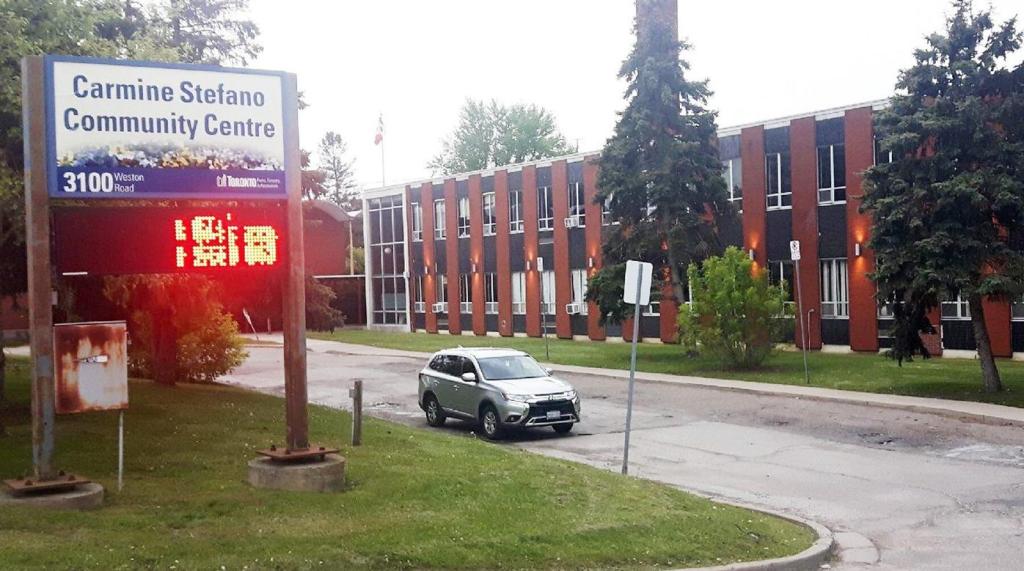
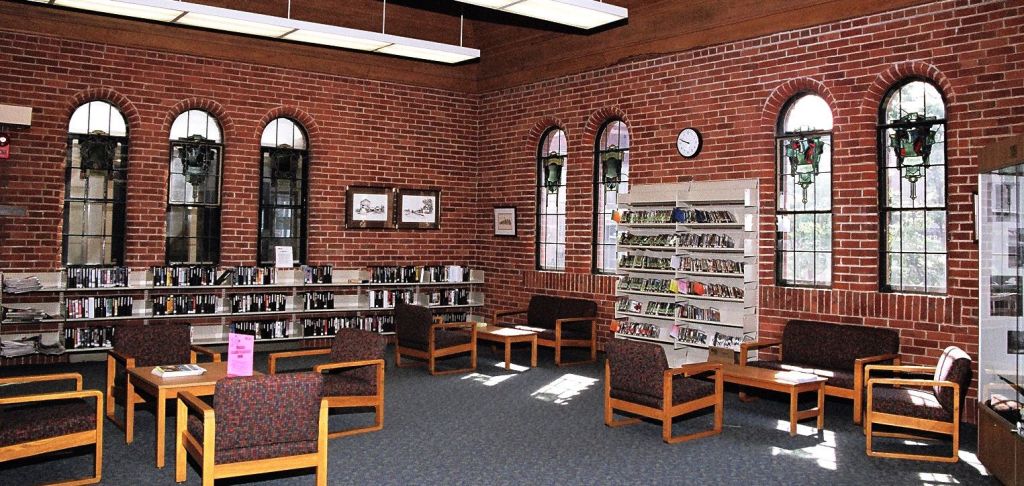
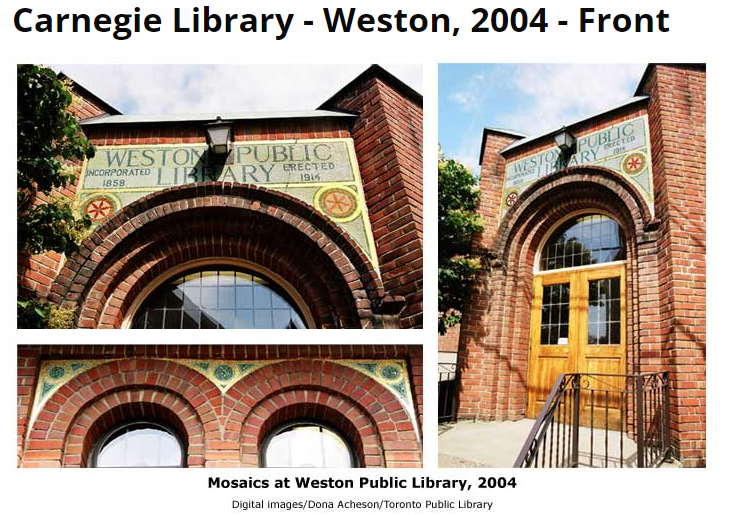
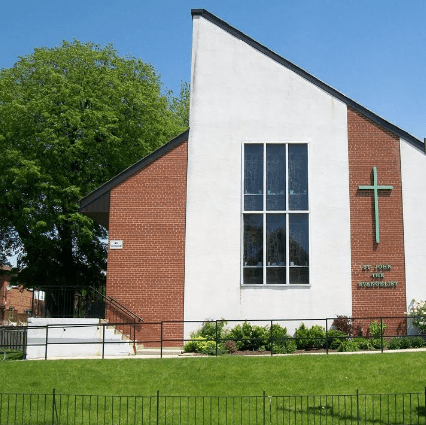
What makes a community? Friends, Church, Community Centres, Libraries, playgrounds, shopping centres, schools, and the classroom itself. Every community is different, but it’s important to get to know your community and build a relationship with others within that setting. These relationships help you as an educator to create dynamic lessons that support student interests and makes the entire learning process more wholesome. Without the community, the learning process is merely a memorization task to be forgotten about two days from now.
So, I cordially invite you to our community. I hope you find your place here in our little corner of the world.

Building Bridges: Nurturing Relationships and Learning Communities in Our School Community
Student Information Systems (SIS): These platforms store demographic data and assist in tracking students’ academic progress. By analyzing demographic data, educators can better understand their students’ needs and construct lessons that better suit them. In addition, it allows for the identification of achievement gaps and the implementation of strategies to address them. Through academic tracking, educators can identify areas of improvement or decline and quickly address them or provide additional support as needed. Likewise, these systems also store and track attendance records, which can help identify students who are “at risk” due to frequent absences or tardiness. The core SIS programs used are PowerSchool and Google Classroom.
Family Outreach Programs: These programs, including family literacy nights, parent workshops, and community events, play a key role in engaging families and understanding their needs. By participating in these events, schools can gain insight into parents’ concerns, aspirations, and priorities, tailor and construct new and existing school programs, implement better resources, and inform culturally responsive teaching practices that promote inclusion.
Community Profiles: Compiling consensus data provides reliable information on the geographical area, including ethnicities, race, household composition, income, and educational attainments. These data help formulate programs that meet the diverse needs of students and their families, including targeted outreach programs, tutoring, after-school assistance, and fundraiser goals. Within a school community, this data allows schools to identify areas for improvement, address concerns raised by families, and develop more initiatives that support students’ needs.
Cultural and Linguistic Resources: Schools can use various resources to enhance their understanding and support the needs of culturally and linguistically diverse families in their community. Some essential resources include multicultural literature, translation and interpretation services, cultural competency training for staff, and building community partnerships with organizations, centers, and advocacy groups. Schools can also utilize online resources and collaborate with their partners to provide access to educational materials.
Resources to Support Students, Families, and Educators in the Community
Prominent community organizations that support students, educators, and families in the neighborhood include:
Artists to Artists Foundation
Fosters and promotes the arts in communities, with a special emphasis on disadvantaged communities. Providing leadership and support to individuals in the arts through funding, mentorship, sharing of resources, skills and expertise.
www.artiststoartists.org
Food Bank (Weston Area Emergency Support – WAES)
1844 Weston Road (entrance in back of Frontlines building)
Toronto, ON, M9N 1V8
T: 416-247-3737
https://www.westonparkbaptist.org/outreach/weston-area-emergency-support
Macaulay Child Development Centre
Charitable organization committed to helping all children reach their full potential and thrive. Knowing that the best way to help a child succeed is to also support the child’s family and community, we offer programs and services for children and those closest to them.
T: 416-789-7441
F: 416-789-4719
info@macaulaycentre.org
www.macaulaycentre.org
Weston Community Coalition
The Weston Community Coalition is a grass roots, non-partisan organization comprised of a voluntary group of residents, business owners, and representatives from community associations, schools and faith groups. The group was formed in 2005 to protect the Weston community from the threat of a privately run Air Rail Link but is also actively involved in seeking the betterment of the greater Weston area through other initiatives.
www.westoncommunitycoalition.ca
info@westoncommunitycoalition.ca
Weston Frontlines Centre
Charitable organization that offers much needed services and programs primarily to children and youth in the neighbourhood of Weston.
1844 Weston Road
T: 416-244-7017
www.frontlines.to
Why building a solid link between the neighbourhood community and the school community is crucial for several reasons:
- Enhanced student support,
- Increased parental involvement,
- Cultural understanding and diversity,
- Resource sharing and collaboration,
- Community development,
- Preparation for life beyond school.
Structures Supporting Learning in a School Community
Professional Learning Communities (PLCs) are educators working together to improve teaching practices, enhance academic success, and strengthen community relationships. In a school community, this can look like this:
- Grade-level PLCs, which consist of teachers who teach the same grade level, such as grade 6, collaborate on curriculum standards, share resources, and develop common assessments or activities.
- Subject-level PLCs, which consist of teachers who teach the same subject, such as French, collaborate on strategies or resources that support academic achievement across various grade levels.
- Special Education PLCs utilize various educator skills and intervention specialists to collaborate and develop an individualized education program (IEP), discuss and review accommodations, and share strategies that support inclusion, behaviour management, and diversity.
Mentorship Programs are useful and strategic tools that support new teachers’ professional growth in a school community. Mentorship programs contribute to the school in the following ways:
- Guidance, support, and encouragement to new teachers, a source of constructive feedback and practical advice to help develop professionally.
- Role modelling and demonstrating dedication to continual improvement, workshops, and commitment to student achievement.
- Cultural and institutional knowledge as they share insights into the school’s success, future, culture, values, and expectations of students and staff.
- Professional development by assisting new teachers with setting goals and recommendations for workshops and courses or identifying areas for improvement.
Parent-teacher associations (PTAs) and Parent Advisory Councils (PACs promote collaboration among school educators and student families, facilitate communication, and advocate for student interests and programming. These groups also help to foster the following:
- Regular communication and collaboration meetings between parents and educators to discuss policies, initiatives, programs, and events while advocating for community concerns.
- Support the school community through volunteering, fundraising, and investing in its and the community’s success.
- Form partnerships with community groups, organize fundraising events for programs, and generate revenue to improve school resources and provide more opportunities for all students, regardless of background or socioeconomic status.
- Promote an inclusive community through networking and community-building events with other neighbourhood businesses, such as the local library, community center, and non-profit organizations.
Community Partnerships offer additional resources and opportunities for student learning and growth beyond the classroom, such as:
- Non-profit organizations, such as youth centers, cultural institutions, and social services, provide students with educational and after-school programs, mentoring, workshops, and projects that support personal and academic growth.
- Businesses and colleges that provide real-world experiences through co-op placements, internships, mentoring programs, or funding for school projects and donations supporting learning.
- Universities and colleges that collaborate with schools to assist with transitions, college prep workshops, and career preparation.
- Cultural and arts organizations, such as museums, theatres, and libraries, allow students to participate in field trips, hands-on learning, and other activities supporting skill development and cultural awareness.
- Community leaders allow students to engage in activism, community service, and leadership programs that empower students to become informed and engaged community leaders.
Experiences Building Learning Communities in a Bachelor of Education Program
Collaborative Projects with other classmates in the Bachelor of Education program serve as the foundational tool for being a teacher. These projects assist with developing new frameworks for tackling curriculum documents and implementing initiatives into lessons that support student diversity and inclusion. Moreover, they:
- Allow for diverse perspectives and ideas, challenge assumptions, and gain new insights into educational theories, practices, and issues surrounding education.
- Build teamwork and communication skills through regular meetings, group discussions, and online collaboration platforms.
- Provide opportunities for shared learning experiences through ongoing knowledge exchange, peer mentoring and feedback, and support for each other’s learning progress and growth in the new field.
- Provide collaborative projects that support problem-solving activities such as case studies, real-world scenarios, and inquiry-based projects.
- Provide an opportunity for continuous reflection and improvement through peer reflection, group feedback, and individual goal setting.
Classroom Observations and Practicum placements are crucial to an educator’s professional development. These experiences and observations allow for valuable insight into the complexities of learning, teaching, child development, and understanding diverse backgrounds and needs. Some critical observations gained include:
- Heightened cultural sensitivity and awareness of students’ diverse backgrounds in the classroom. This helps educators understand how cultural backgrounds influence student behaviour, communication, learning styles, and the student’s experiences.
- Individual learning styles and preferences so educators can adapt their teaching approach effectively. It allows for a deeper understanding of which students may also require additional support and ensures all students can thrive academically.
- Multicultural and multilingual classrooms provide insight into how a language barrier can influence student learning and achievement. This experience allows educators to understand which strategies, such as bilingual instruction, visual aids, a peer system, and translation supports, to help facilitate and accommodate language diversity.
- Socioeconomic factors that influence students’ access to resources, including nutrition, technology, and limited support at home. Understanding these challenges enables educators to provide necessary support and access to resources that address these needs.
- Special education needs, including those with learning disabilities, attention exceptionalities, physical exceptionalities, or giftedness. Recognizing these needs is essential for formulating and implementing an individualized learning plan and modifications to support academic and social development.
Professional Development & Reflective Practice in a Bachelor of Education Program

Professional Development workshops, collaboration sessions, and seminars aim to foster positive relationships with students, families, and the community. These workshops cover a range of topics designed to support future educators. Some workshops I have participated in and think others should include:
- OFSAA Certification Workshop
- N-Word Presentation
- Collaborative planning with colleagues
- Collaboration on constructing student clubs that promote wellness.
Reflective Practice during the B.Ed. Program is a fundamental component of professional growth and development. Through reflective practice, future educators are encouraged to critically examine their teaching experiences, practices, and beliefs, leading to a deeper understanding of their teaching philosophies, biases, and strengths. Some reflective questions that support individual growth include:
- What are my teaching goals and objectives?
- What strategies am I using to meet the diverse needs of students?
- How do my personal beliefs affect my teaching practices?
- What adjustments could I make to improve the assessment process and provide more meaningful feedback?
- Did I create a supportive and inclusive learning environment where all students felt valued and respected?
- How did I apply new knowledge or strategies learned from professional development sessions or workshops?
- What aspects of today’s lesson or student interactions stood out most?
- Did I effectively manage classroom behaviour and maintain a positive learning environment?
- What goals do I have for further professional development and growth?
- How did I use assessment data to inform my teaching and instructional decisions?
Empowering Our Community Together
In summary, our school community epitomizes the principles of collaboration, inclusivity, and shared values, fostering an environment that supports educational and personal growth in all students. The community’s commitment to embracing diversity, nurturing spiritual growth, and fostering moral development underscores the school community’s dedication to cultivating well-rounded individuals, essential for promoting student wellness and educational success.
Through collaborative endeavors involving students, parents, and educators, together they have cultivated a supportive ecosystem that prioritizes academic excellence, equity, inclusion, and shared leadership. The visible community support during events, combined with fundraising efforts and active parent involvement, not only strengthens positive relationships but also facilitates ongoing program development to benefit our students’ holistic development.
Furthermore, the educator’s presence in the community serves as a cornerstone for strengthening relationships and fostering trust. By actively engaging with students, families, and community stakeholders, educators not only provide academic guidance but also serve as mentors and role models, contributing significantly to student well-being and educational achievement. Their active involvement in community initiatives not only enriches the educational experience but also deepens connections, ensuring a collaborative effort towards student success.
In essence, our school community serves as a comprehensive training ground, preparing both students and teacher candidates for the challenges and triumphs they’ll encounter in their educational journeys, while simultaneously fostering student wellness, educational success, and strong community relationships. It is important to maintain good working relationships with the broader community so that the complex and diverse needs of students can be met with ease.
 The Sage's Library: Education Untold