Embracing Catholicity: A Teacher’s Perspective
As an educator, my role extends beyond imparting knowledge; I am called to nurture values, character, and faith in my students. My journey as a teacher is deeply rooted in my own experiences as a student in Catholic schools, where the principle of Catholicity profoundly shaped my worldview and vocation.
My Journey Through Catholic Education
Growing up, I was fortunate to attend Catholic schools that emphasized both academic excellence and spiritual growth. These experiences were enriched by specific moments that shaped my faith and character:
- Receiving the Sacraments: Moments like First Communion and Confirmation deepened my connection to the Church and its traditions.
- Building Community with the Church: Participating in Sunday school and youth group activities on Friday nights fostered a sense of belonging and purpose.
- Forming Lifelong Connections: Relationships with priests and church leaders, established during my youth, continue to guide me in my adult life.
- Living Catholic Virtues: Teachings such as honoring parents, practicing self-respect, and embracing values like courage, love, and justice have become guiding principles in my daily life.
- Exploring Faith in High School: Classes on religion and world religions offered new perspectives on human nature, understanding, and spirituality, broadening my appreciation for the richness of faith.
The teachings I received were not confined to the classroom but extended to how we lived our daily lives—through prayer, community service, and a shared sense of purpose. At my Catholic high school, I learned to see the world through a lens of faith, guided by values such as compassion, justice, and a deep respect for the dignity of every person.
In high school, I also volunteered my time at the food bank, with foster children, and as a tutor. These opportunities allowed me to give back to my community while continuing to live out my Catholic values. I found fulfillment in helping others, and the experience reinforced the importance of being selfless and contributing to the well-being of those around me. These formative years instilled in me the belief that education is not just about acquiring knowledge but about becoming a person of integrity and faith. The sense of community and the universal call to holiness that I experienced continue to inspire my teaching philosophy today.
What is Catholicity?
Catholicity signifies universality—an openness to truth, beauty, and goodness wherever they are found. It invites us to see all of creation as interconnected, reflecting the infinite love of God. Catholicity challenges us to recognize the inherent dignity of every person, regardless of their background, ethnicity, or beliefs, and to understand that we are all part of God’s divine plan. It is not just about the Catholic Church itself, but about the universality of God’s truth, love, and invitation to all of humanity.
Catholicity can be understood through several key principles:
- Universal Call to Holiness: Catholicity teaches that every person is called to holiness, not just those in religious life. This universal call emphasizes that holiness is not confined to certain people but is meant for everyone, regardless of their vocation or position in life.
- Openness to Truth and Wisdom: It encourages us to be open to truth, beauty, and goodness wherever they may be found, whether in nature, other cultures, or other religious traditions. It recognizes that God’s wisdom extends far beyond any one place or time.
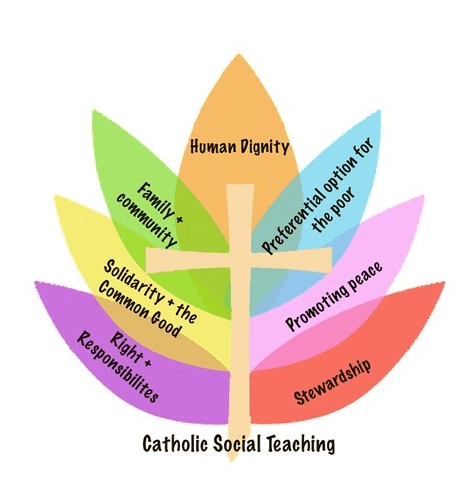
- Global Solidarity and Social Justice: Catholicity calls us to take responsibility for the well-being of others, especially the marginalized and oppressed, both locally and globally. It emphasizes the dignity of each person and our collective duty to work for the common good.
- Ecumenical and Interfaith Dialogue: Catholicity fosters dialogue between different Christian denominations and other faiths, recognizing that God’s truth is not confined to one group but can be found in many places. It encourages mutual understanding and respect among all people of goodwill.
- Missionary Spirit: Catholicity compels the Church to reach out to all people, spreading the Gospel to all corners of the world, and sharing the love of God with everyone, regardless of their background or beliefs.
This understanding of Catholicity shapes how I approach teaching. It is not just a theological concept but something that informs every interaction with students and the broader world.
Living the Universal Call to Holiness
Catholicity, at its core, teaches that every person is called to holiness—not just those in religious life. This understanding has deeply shaped my own journey, both as a teacher and as a person. Growing up in a Catholic community, I was taught that holiness isn’t something reserved for priests, monks, or nuns; it’s something for all of us, regardless of our vocation or station in life. This message resonated with me in profound ways and continues to inform how I live and teach today.
I have come to understand that holiness doesn’t require us to withdraw from the world or lead lives of extraordinary public renown. Rather, it is found in the small, everyday acts of love, kindness, and service that we offer to others. Whether I am helping a student through a difficult concept, offering encouragement when someone is struggling, or simply listening with compassion to a colleague, I know that these seemingly small acts can lead to great holiness. In teaching, I try to show my students that their everyday lives—whether at school, in their families, or in their communities—are opportunities for holiness. I encourage them to see the sacred in the ordinary, to recognize that their vocation as students, friends, and children is a calling to grow in faith and virtue.
Openness to Truth and Wisdom
One of the most powerful lessons I’ve learned from Catholicity is the importance of being open to truth, beauty, and goodness wherever they may be found. This openness is not just about appreciating the richness of Catholic teachings, but about recognizing that truth can come from many sources. Whether in nature, other cultures, or other religious traditions, I’ve learned to seek wisdom wherever it appears. This is something I try to impart to my students as well.
I often remind them that God’s wisdom is not confined to one particular place or time. It’s present in the natural world, in art, in literature, in the wisdom of different cultures, and even in conversations with people who don’t share our faith. I encourage them to explore the world with open minds and hearts, to see God’s handiwork in the vast diversity of life and thought that surrounds us. By embracing this openness to the goodness and beauty in others, we cultivate a richer understanding of God’s creation and deepen our own relationship with Him.
In my own life, I’ve found that some of the most transformative moments have come when I allowed myself to learn from others—whether through an encounter with a person of another faith or through a conversation that challenged my own assumptions. These moments have deepened my appreciation for the world’s diversity and strengthened my sense of connection to others. I want my students to experience this same joy of discovery, where they see the goodness of God reflected in the lives and experiences of those around them.
Global Solidarity and Social Justice
Catholicity also teaches us that we have a collective responsibility for the well-being of others, particularly the marginalized and oppressed. This has been a core value in my life and my teaching. Growing up, I was fortunate to be part of a community that encouraged service—whether through volunteering at the food bank, tutoring children in need, or finding ways to help the less fortunate. These experiences shaped my understanding of social justice and the importance of standing up for the dignity of each person.
I carry this principle into the classroom by teaching my students that they are not isolated from the world. They are part of a global community, and their actions can make a difference. We discuss how small acts of kindness can ripple out into the world, and I challenge them to think beyond their own needs and consider how they can help those who are suffering. Whether through charitable efforts, speaking out against injustice, or simply being present for someone in need, I want them to understand that social justice is not just a concept; it is a call to action.
Catholicity has taught me that our world’s problems—poverty, inequality, and injustice—are not someone else’s responsibility to solve. They are ours. As a teacher, I strive to show my students that they can make a real difference in the world, no matter how small the act may seem. Each of us has the power to contribute to the common good, and we are called to do so.
Ecumenical and Interfaith Dialogue
The Catholic tradition encourages dialogue—not just with fellow Catholics, but with all people of goodwill. This has always been an important part of my own spiritual journey. I’ve learned that the search for truth isn’t confined to one group or denomination. God’s truth can be found in many places, and engaging in respectful dialogue with those from different faiths or backgrounds has enriched my own understanding of the world and my faith.
In the classroom, I encourage my students to approach other faiths and perspectives with curiosity and respect. I believe that understanding and compassion can bridge the gaps between people and foster a deeper sense of connection. This openness to interfaith dialogue is crucial, especially in a world that can often be divided by religious differences. I try to model this approach in my own life by fostering relationships with people of different faith traditions and learning from their wisdom. These conversations have taught me that while we may have different beliefs, we share a common humanity and a universal call to love and serve one another.
Missionary Spirit
Finally, Catholicity instills in us a missionary spirit—a call to reach out to others, to share the love of God, and to spread the message of the Gospel. This call has always been part of my life, whether through volunteer work or through simply sharing my faith with others in everyday conversations. I have learned that missionary work isn’t just about spreading words, but about living out the Gospel through our actions—serving others, offering kindness, and seeking justice.
In my classroom, I see my role as part of this mission. Every day is an opportunity to share God’s love through the way I teach, the way I interact with my students, and the way I encourage them to think about their role in the world. I want my students to know that their education is not just for their own benefit; it is a gift that should be shared with others. Whether it’s through small acts of kindness, standing up for what is right, or working for justice, they are all part of a much larger mission of spreading love and truth.
Catholicity in My Classroom
Incorporating Catholic teachings into the classroom can be challenging, especially when time is limited. To address this, I find subtle yet impactful ways to weave these values into everyday interactions and activities, such as:
- Leading by example: Demonstrating kindness, patience, and a spirit of service in my interactions with students.
- Embedding faith values into discussions: Relating topics to themes like compassion, justice, and stewardship.
- Encouraging reflective practices: Prompting students to consider ethical and moral dimensions in their work.
In my classroom, I also strive to connect the idea of Catholicity’s universality to our learning experiences. Catholicity calls us to recognize the inherent dignity of every person and to see all of creation as interconnected. This principle directly shapes my classroom practices in the following ways:
- Embracing Diverse Perspectives: I encourage students to explore various viewpoints, particularly through literature, history, and world religions. By engaging in discussions on ethical and moral issues from diverse cultural or religious perspectives, we learn to appreciate shared values like justice, compassion, and respect for life.
- Promoting Global Awareness: Students are encouraged to consider how their actions and decisions impact people around the world. We engage in research projects focused on global issues like poverty, inequality, and environmental challenges, and students are invited to take action through service projects that can make a local impact but have a global resonance.
- Fostering Inclusivity: Reflecting the universal nature of the Church, I strive to create a classroom that respects and celebrates diversity, where every student feels valued and accepted. By honoring the dignity of each person, we build a classroom environment that mirrors the inclusivity central to Catholic teaching.
- Service and Compassion: The universality of Catholicity reminds us of our shared humanity. I encourage students to participate in service projects and community outreach, teaching them how even small acts of kindness can make a meaningful difference in the world.
For example, I might say:
“In our classroom, we embrace the universality of Catholicity by acknowledging that every person—no matter their background, beliefs, or culture—has inherent dignity. I encourage you to consider how each topic we study connects to the larger human experience. When we read a story about injustice, we’re not just learning about a historical moment; we’re understanding how those lessons apply to current events and our actions toward others. Whether it’s helping our neighbors through service projects or considering global social issues, we are all connected in this journey toward understanding and compassion.”
As a Catholic educator shaped by my own experiences, I strive to:
- Promote Inclusivity: Reflecting the universal nature of the Church, my classroom welcomes all students, fostering a sense of belonging and respect for diversity.
- Integrate Faith and Reason: Inspired by Catholic intellectual tradition, I encourage students to explore how faith enriches knowledge, equipping them to think critically and act compassionately.
- Model Service and Compassion: Catholicity reminds us of our responsibility to serve others, especially the marginalized. Through service projects and daily interactions, I aim to instill a spirit of generosity in my students.
A Call to Action
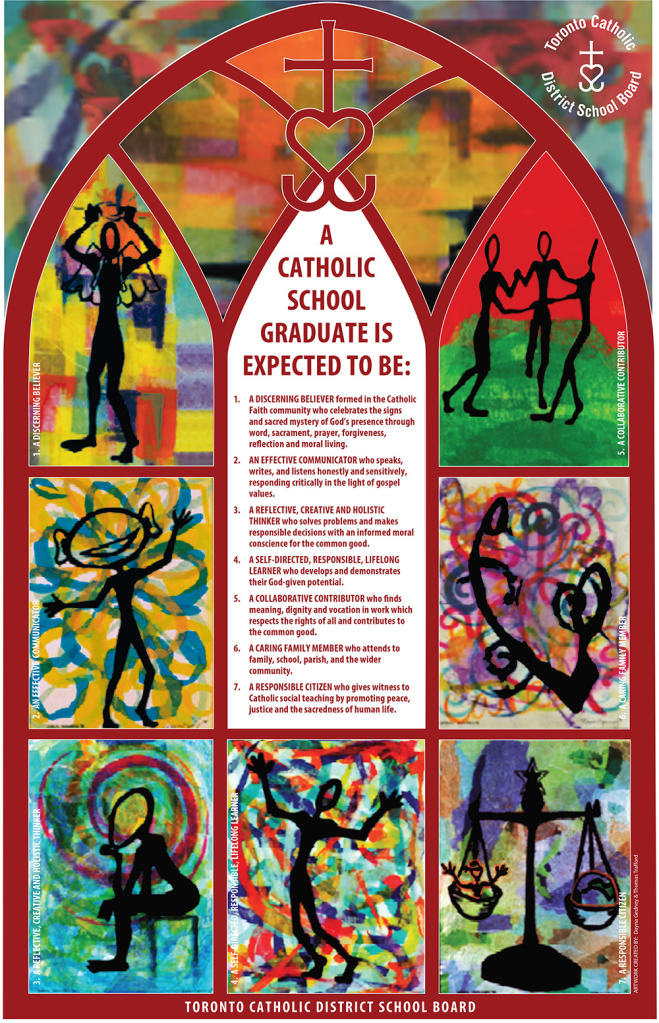
Teaching in the spirit of Catholicity has been, and continues to be, one of the most rewarding and humbling aspects of my life. It’s a journey that challenges me to be more than just a teacher—it’s a vocation that calls me to be a guide, a mentor, and an example of faith in action. My role extends far beyond the lessons I deliver. I am entrusted with shaping hearts and minds, nurturing the values that were instilled in me during my own Catholic education, and helping students understand that their purpose goes beyond academic success. They are called to be compassionate, just, and holy.
Reflecting on my journey as an educator, I see that every day in the classroom is an opportunity to bring the love of Christ to life. It’s about embracing the teachings of the Catholic faith in a way that is real and meaningful, not just for my students, but for me, too. In a world that often feels divided and uncertain, Catholicity offers a vision of unity—a vision where we are all called to recognize the inherent dignity of every person, regardless of their background or beliefs. And it reminds me, each day, that my work is part of something much larger than myself.
When I stand in front of my students, I am reminded that Catholic education is not just about intellectual formation but about forming them as whole people. I teach them about math, science, literature, and history, but I also teach them about kindness, courage, respect, and service. I guide them to understand that the values we discuss in class—such as justice, compassion, and integrity—are not abstract concepts, but principles that should shape how they live every day. Whether it’s helping a classmate, standing up for what is right, or making time for others, I want them to understand that each small action is part of the larger call to holiness that God invites all of us to live out.
This is where Catholicity comes alive for me. Catholicity is not just an idea or a theological principle—it is something I live out in my interactions with students, colleagues, and the wider community. It’s about fostering inclusivity, embracing diversity, and creating a classroom where every student feels valued and respected. It’s about recognizing the interconnectedness of all people and seeing my students as part of a much larger, universal community. The call to holiness is for each of us, and I want my students to know that their lives are part of God’s plan, and that they are uniquely called to serve, to love, and to lead with integrity.
In my classroom, I strive to embody these values every day. I try to model kindness, patience, and humility, knowing that my actions speak louder than words. I make it a point to be present with my students, to listen to them, and to show them that they are more than just the work they complete or the grades they earn. They are people with dignity and worth, created in the image of God. And it’s my responsibility to help them discover this for themselves—to help them understand that their identity is rooted in God’s love for them, not in external expectations or fleeting achievements.
There are days when the challenges of teaching can feel overwhelming. But it is in those moments that I remind myself of the bigger picture. Catholic education is not just about preparing students for the future; it’s about preparing them to live lives of purpose and service, today. It’s about helping them realize that they can be change-makers in the world, that they have the power to impact their communities, and that their education is a gift that they are meant to share with others.
I’ve seen the impact of this in my own life. Through my own Catholic education, I learned the importance of serving others, being selfless, and giving back to my community. From volunteering at the food bank to tutoring children, I learned that faith is not just something we believe in—it’s something we act on. And this is what I want my students to take with them: that their faith should inform their actions, that their learning should be used to better the world, and that they, too, are called to a life of service.
Catholicity calls us all to a life of integrity, service, and love, and I carry that message into the classroom every day. As an educator, I have the privilege of helping students see that their education is a means to an end—a means to becoming the best version of themselves and to serving the world with love and compassion. Each lesson I teach, each conversation I have, and each service project we do together is an opportunity to help them understand that education is not just about acquiring knowledge. It’s about growing in faith, virtue, and love.
It is my hope that by the time my students leave my classroom, they will be equipped not only with the knowledge and skills they need for their future careers, but with the wisdom, compassion, and courage to make the world a better place. I want them to understand that the universal call to holiness is not a lofty ideal—it is something they are called to live every day, wherever they are, and however they can.
Together, as Catholic educators, we are shaping the hearts and minds of tomorrow. We are not just teaching for the sake of knowledge, but for the sake of transformation. We are invited to be part of something much larger than ourselves, helping to build a better world where every person is treated with dignity and respect. It’s a calling I take to heart every day, and one I am privileged to share with my students.
Let us continue to embrace the universal call to holiness and learning, inspiring our students to live with purpose, service, and compassion. By doing so, we will help shape a world that reflects the love of Christ in everything we do.
 The Sage's Library: Education Untold