Welcome to Class! Here’s everything you’ve missed today.
Welcome to your Grade 6/7 Classroom – grab a seat, engage, read, and share in the experiences and “aha” moments of being a teacher candidate. This blog is not just a collection of lessons and assignments; it’s a living journal that captures the heart and soul of teaching. Every entry is a doorway and chance to step into a world of wonder and the rewards of being a teacher for the next generation.
New Year’s Resolutions
January 18, 2024
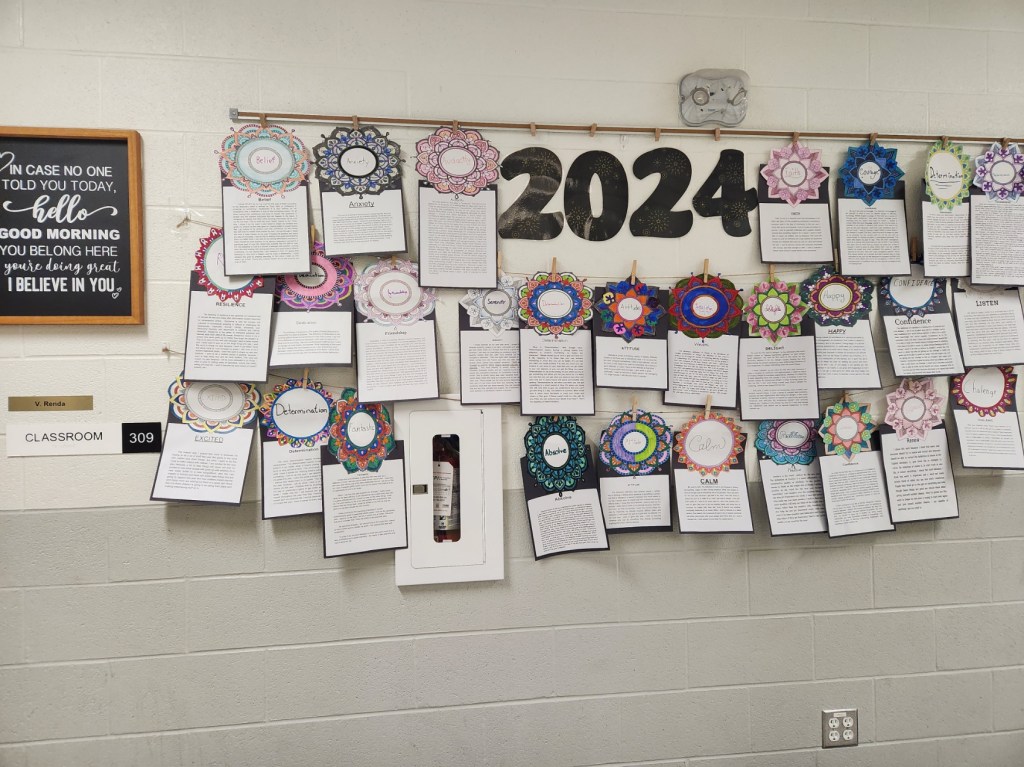
Activity & Lesson Plan: New Year’s Resolutions follow-up.
Most Memorable Moment: Seeing how every student stays on top of their
academic goals, reflecting on what they learned so far and what still requires
improvement. As an educator, it’s important to me to support their goals, ease
their self-doubt, and cheer them on when they lose their glimmer of light
inside.
Learning Outcome Connection: Develop professional relationships with
students, support students and student learning and facilitate a positive
learning environment.
Connections to Theory: Child Development theories explain that children
require an active and present adult to facilitate growth. Educators need to be
active 100% of the time, listen without judgment, and mentor children if they
are to succeed and become successful adults. Another connection I’ve learned is the importance of collaboration with students to adapt lessons that effectively suit their learning needs and goals, such as inquiry-based learning, student-led discussions, and multimodal learning.
Reflection: Today was Day 1 in a new classroom with new students. Despite
feeling uneasy, it was important to me to begin working on understanding each
student’s narrative – their thoughts, strengths, concerns, and future goals. I have learned how teaching is a collaboration between teachers and students and flexibility is key to success.
Co-teaching and assisting students has enabled me to reflect on how I can become more adaptable in a fast-paced environment where things sometimes do not always go as planned. Through simple dialogue and making efforts to actively listen and engage with them, I could see some smiles and even hear a couple laughs. It has me thinking about how I can adapt my future lessons to be more student-centered, inquiry-based, and multimodal to reflect the diversity of the classroom.
Bell Let’s Talk
January 25, 2024
Activity & Lesson Plan: Finish the Bell “Let’s Talk” wall and engage in mental health discourse.
Most Memorable Moment: I loved reading each student’s motivational quote or story and hearing their experienes. I think there is not enough dialogue in schools on mental health and support for students. I enjoyed being an active listener and seeing each student being supportive of everyone’s goals, concerns, and individuality.
Learning Outcome Connection: Develop professional relationships with
students, support students and student learning and facilitate a positive
learning environment.
Connections to Theory: The lesson, artwork, discussions and interactions can be linked to several educational theories. Some of which are:
1. Humanistic Education – The lesson and dialgoue focused on creating a supportive and trusting environment where each student was given the time and space to articulate their thoughts without judgement from others. This helps to prioritize the holistic development of students and their emotional well-being.
2. Positive Psychology in Education – The focus on mental health supports and promotes well-being, resilience, and a positive learning environment where students are encouraged to build community relationships with each other.
3. Catholic Values of Compassion and Empathy – The dialogue students had concerning mental health and personal expeiences and ideologies demonstrated an understanding and support for individuals who may be dealing or have delt with challenges. It also reflects the need for a strong community in helping one another through challenges.
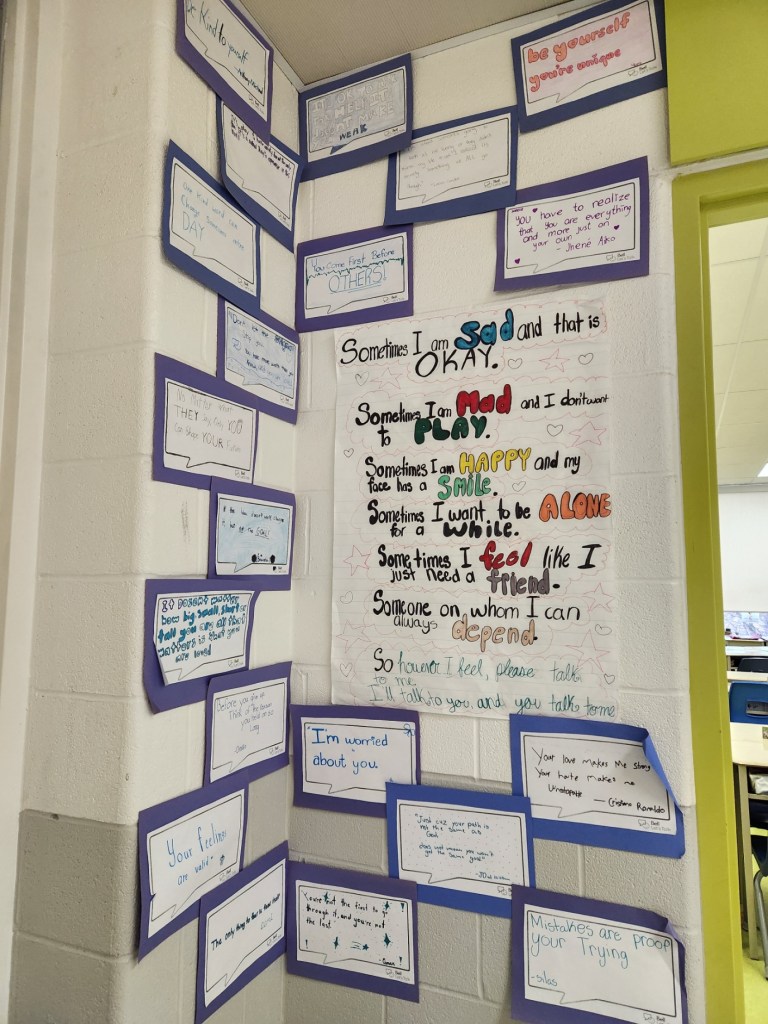
Reflection: Today was Day 2 in a classroom where I was able to connect with each student on mental health awareness and support programs in place at the school and outside of the school. I enjoyed listening to their constructive criticisms of support programs, of their experiences, and where they aim to be in the next 10 years. Since each student had a choice in decorating their artwork and choosing what to write, it allowed for their individuality to shine. In addition, it supports a positive learning environment where each student’s opinions are valued and heard.
Engaging in mental health discourse with students helps to build community, student engagement, and an environment built on open cocmmunication, empathy, and trust. This helps to develop and create a space that is supportive and meaningful.
Reflecting on this experience, I anticipate that future interactions with students will have increased empathy and a positive approach to addressing mental health concerns in youth and teens.
Esmaa Mohamoud Art Lesson
February 1, 2024
Activity & Lesson Plan: Esmaa Mohamoud and their own sketches using her artwork as inspiration (themes, lines, shapes, and symbolism).
Most Memorable Moment: My first lesson plan execution – Esmaa Mohamoud, a Black-Canadian artist from Toronto who brings awareness to issues of racism, gender norms, and the need for social reform. Even better than teaching was seeing the students light up as they made connections to their own identity, ideas, and Esmaa’s artworks.v
Learning Outcome Connection: Reflect critically on the links between theory and practice in Ontario schools by engaging in open-ended inquiry.
Connections to Theory: Culturally relevant pedagogy, implementing student-led discussions, actively adjusting lessons in real-time based on where discussions lead, and providing them with the opportunity to reflect on the lesson through artwork.
Reflection:
This is my first lesson, and to say I was not nervous would be a lie. My goal for this lesson is to bring awareness to the hidden dialogue of art and have students connect with their identity to some topics covered in class. By implementing open-ended inquiry and student-led I saw students engage with the lesson content and critically reflect on their experiences. The artwork sketch they performed after was beyond my expectations.
Each student engaged with the content in a way that reflected their own experiences and identity. Some students went beyond that and connected it to Esmaa’s artwork and themes previously shown in class. They could apply their new knowledge and communicate artistically by being provided with time to reflect on the lesson.
I think this lesson went well overall. I can make the connections between theory and practice efficiently, and I aim to continue to provide a platform for student expression.

Lunar New Year – Year of the Dragon
February 8, 2024
Activity & Lesson Plan: Lesson plan on the Lunar New Year, Art (Create your own Dragon eye), and experience the traditions of Lunar New Year celebrations (red envelope, chocolate coin, oranges).
Most Memorable Moment: I enjoyed helping to set up the classroom for the celebrations. It made me happy to see the students engage with each other on what they’ve learned and collaborating on their artwork.
Learning Outcome Connection: Develop professional relationships with
students, support students and student learning and facilitate a positive
learning environment.
Connections to Theory: Today’s activities highlight the importance of teacher presence, creativity in teaching, co-teaching, and building mentoring relationships with the students and mentor teacher.
Some additional educational theories this activity connects to are:
1. Constructivism Theory – Emphasis is placed on co-teaching and assisting students which supports an active learning environment and hands-on learning to promote understanding of the lesson’s concepts.
2. Cultural Responsive Teaching – The recognition and value of the lesson emphasizes understanding and valuing students’ cultural backgrounds to create an inclusive learning environment.
3. Experiential Learning – Through assisting students with their artwork and engaging in the overall look of the eye reflects the idea that students learn through direct experienes and reflections on those experiences.
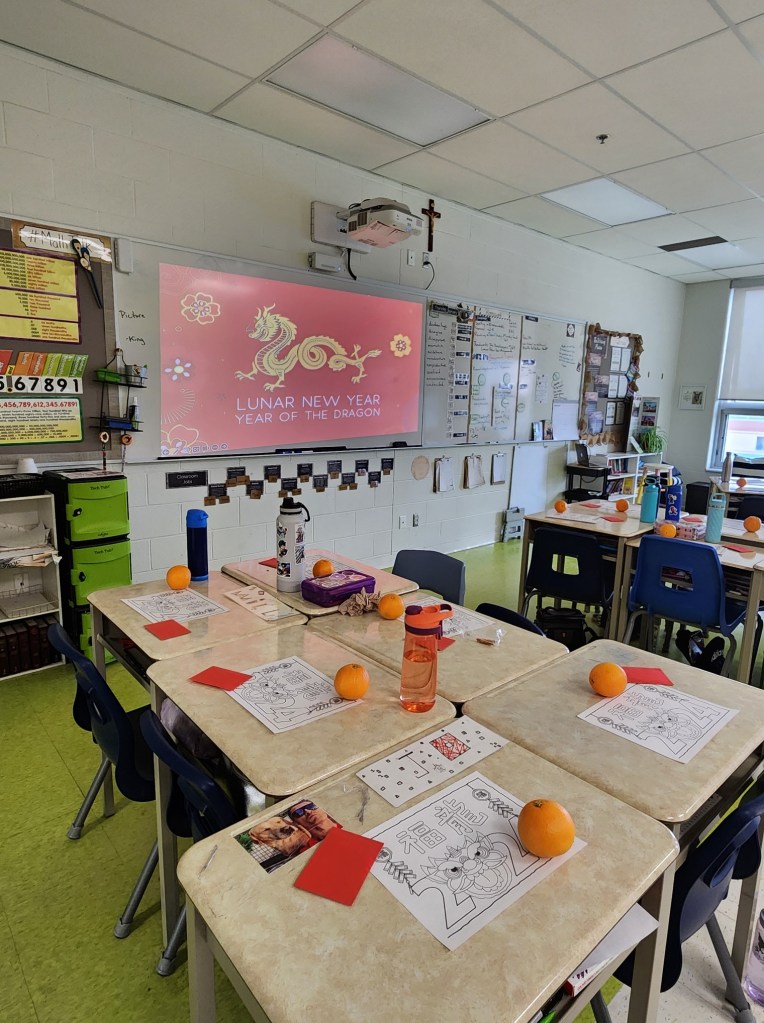
Reflection: Today is week four of teaching and it was really exciting to see how the students were amazed at the work of the homeroom teacher who went above and beyond to make their celebrations come to life. I learned that your presence in a classroom matters so much to the students and creativity brings lessons to life.
Co-teaching and assisting students during the lesson and with their artwork makes me proud to become a teacher. It makes me happy when students trust me enough with their ideas and ask for my opinion on what they should do, which colors to choose, or the overall look of the eye. I think this kind of mentoring and trusting relationship is crucial to their academic achievements.
February’s Virtue of the Month is…LOVE!
February 15, 2024
Activity & Lesson Plan: Today’s lesson is a recap of the Catholic Virtues of the Month – LOVE. The activity is to reflect on all areas of life that bring love to you and how you can give love back.
Most Memorable Moment: I love that each lesson is connected to a visual artwork where students can draw their ideas, emotions, and experiences. I also loved how the conversation was deeply engaging as each student shared why this virtue is important to them.
Learning Outcome Connection: Orientation to the Profession by reflecting critically on the links between theory and practice in Ontario schools.
Connections to Theory: Today’s activities connect to several educational theories and Ontario Ministry of Education policies.
1. Constructivism Theory – Emphasis is placed on whole class and small group discussions that connect to the idea that learning is an active process involving social interactions and meaningful discussions.
2. Micro-Level Perspective (Microlearning) – The use of small, targeted learning experiences that contribute to a broader understanding and a teacher’s attention to invidual student learning needs.
3. Ontario Catholic School Graduate Expectations – By integrating Catholic values there is an increased emphasis on the development of students as reflective, creative, and responsible individuals with an ethical foundation.
4. Ontario’s Equity and Inclusive Education Strategy – The emphasis on creating a more inclusive learning environment reflects Ontario’s strategy which aims to ensure all students feel included and supported in the classroom.
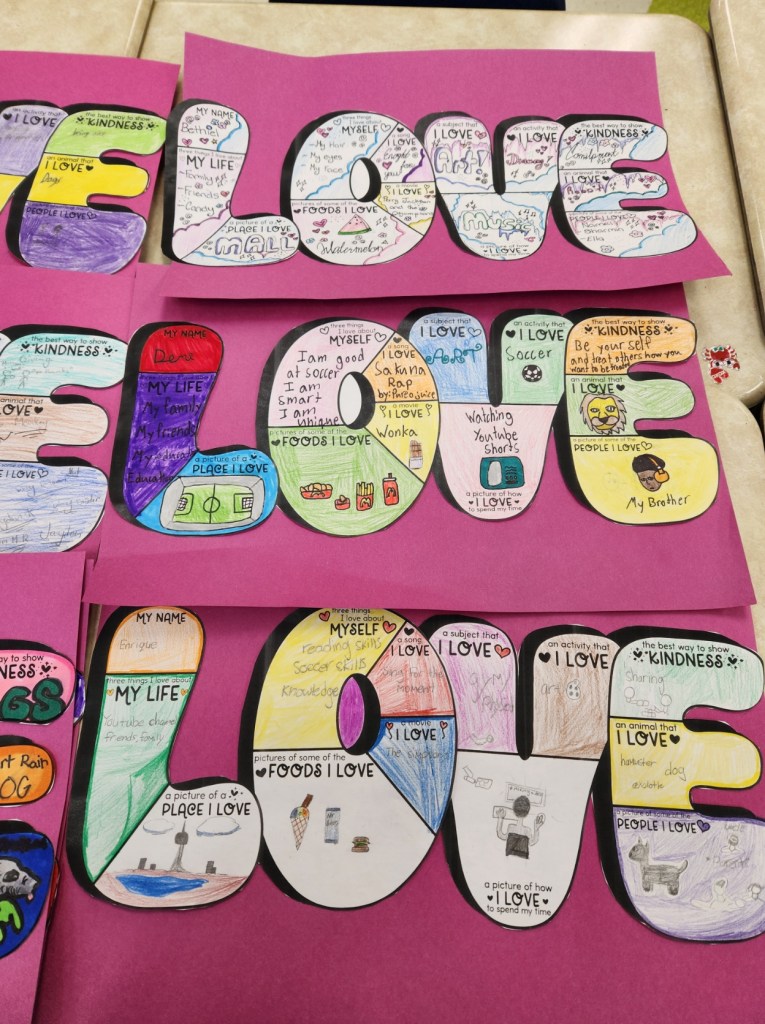
Reflection: Today, I found a meaningful intersection between my teaching practice and Catholic values. It was a refreshing experience to allocate time for students to reflect on these values, often overlooked in the rush of academic demands. The discussion evolved into a profound exploration of the significance of love in personal development and mental health. As a practicing Catholic, I aspire to integrate the virtues of the month more consistently in my future classroom, recognizing their vital role in nurturing student development.
Moreover, beyond bridging theory and practice, I delved into learning at a micro-level, supporting both small group and individual student learning experiences. Engaging students in whole-class and small group discussions provided a platform for them to articulate their thoughts, fostering a dynamic exchange of perspectives.
This approach not only deepened their understanding of the subject matter but also allowed me, as a prospective teacher, to discern individual learning needs. Tailoring support strategies based on these insights, I worked towards cultivating a more inclusive and effective learning environment.
This experience underscored the significance of personalized learning approaches, solidifying my commitment to fostering meaningful interactions that cater to the unique needs of each student. As I navigate my journey as an educator, I am inspired to continue integrating Catholic values and refining my teaching practices to create an environment that nurtures both academic growth and the holistic development of my students.
Skittle Math
February 22, 2024
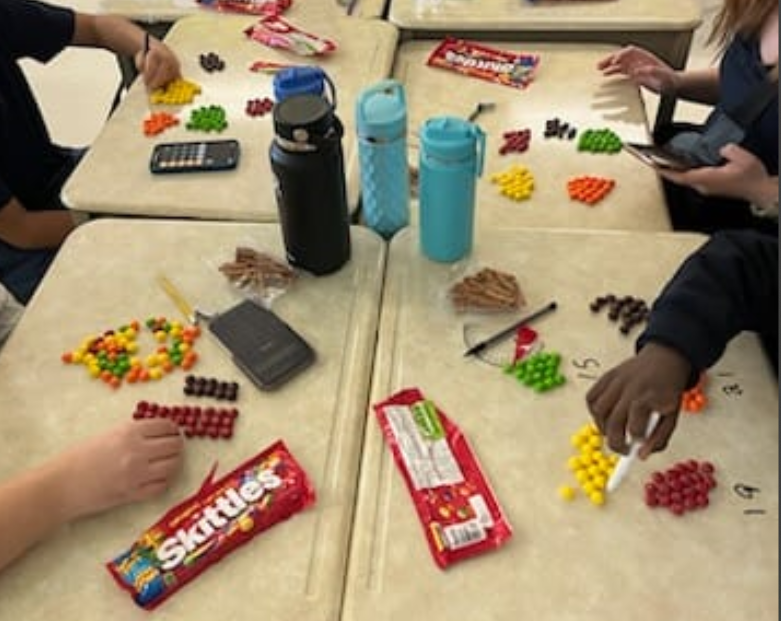
Activity & Lesson Plan: Today’s lesson is a lesson on graphing concepts using Skittles to help code and decode word problems visually.
Most Memorable Moment: Today’s highlight was watching students engage with the math activity and in conversation with each other as they tackled mathematical word problems.
Learning Outcome Connection: Orientation to the Profession by reflecting how the school structure (physical environment, committees, extra-curricular activities, etc.) impacts student learning.
Connections to Theory: Today’s activities connect to several educational theories and supports a meaningful experience.
1. Socio-constructivist Theory – The collaborative nature of the lesson encourages social interaction through discussions, peer learning, and sharing ideas. This collaborative learning experience promotes critical thinking skills, communication skills, and community in the classroom.
2. Differentiated Instruction (DI) – The scaffolded approach and flexible grouping help students break down complex graphing concepts into smaller, manageable steps and offers more support as needed. By grouping students based on their readiness level, it provides an opportunity to tailor instruction to meet individual needs and ensure all students are appropriately challenged.
3. Zone of Proximal Development (ZPD) – The lesson is designed to meet students at their current learning level and provide supports through peer and instructor feedback. Coupled with DI and small groups, the teacher can scaffold the learning experiences to challenge students appropriately. This approach also fosters learning growth by building on previous knowledge and skills while gradually expanding their understanding of graphing concepts.
4. Universal Learning Design (UDL) – In providing students with a visual representation of graphing concepting using Skittles, it appeals to various learning styles such as kinesthetic and visual learners. Additionally, it ensures students are able to effectively demonstrate their understanding and engage fully with the lesson’s content.
Reflection:
As a teacher candidate, engaging in the lesson on graphing concepts using Skittles was profoundly significant for several reasons, shaping my understanding of effective teaching practices and their application in future practice.
Firstly, the activity demonstrated the power of hands-on, experiential learning in enhancing student engagement and comprehension. Observing how students eagerly participated in the activity, manipulated the Skittles to graph data, and collaborated with peers to decode word problems underscored the importance of incorporating interactive, multisensory approaches to instruction. This experience highlighted that fostering a dynamic learning environment where students actively construct knowledge through exploration and discovery is essential for promoting deeper understanding and retention of concepts.
Moreover, the lesson reinforced the significance of differentiation and personalized instruction in addressing diverse student needs. By offering multiple entry points and accommodating various learning styles and abilities, the activity ensured that all students could access and meaningfully participate in the learning process. Recognizing the individual strengths and challenges of each student and providing tailored support and scaffolding emerged as pivotal strategies for promoting equity and inclusivity in the classroom.
Additionally, the lesson underscored the importance of fostering a positive classroom culture that values collaboration, communication, and respect. Witnessing how students enthusiastically shared ideas, supported one another, and celebrated each other’s successes emphasized the role of the teacher in cultivating a supportive learning community. Building strong relationships with students, creating a safe space for risk-taking and exploration, and promoting a culture of mutual respect emerged as foundational principles for creating an inclusive and nurturing classroom environment.
Looking ahead to my future practice as an educator, the insights gained from this experience will inform my pedagogical approach and guide my interactions with students. I recognize the value of incorporating hands-on, interactive activities to make learning meaningful and engaging, and I am committed to designing lessons that cater to diverse learning needs and foster inclusivity. Furthermore, I am inspired to prioritize the cultivation of a positive classroom climate where every student feels valued, supported, and empowered to achieve their full potential.
In summary, engaging in the lesson on graphing concepts using Skittles was a transformative experience that deepened my understanding of effective teaching practices and reinforced my commitment to promoting student success and well-being.
Reading Buddies
March 21, 2024
Activity & Lesson Plan: Today’s prominent activity is Reading Buddies. Each student is paired with a younger student and assists them in reading skills. This activity helps students appreciate giving back to their school community, promotes a love for reading, and fosters positive relationships.
Most Memorable Moment: Today’s highlight was watching the younger students become so excited to read with their buddy. I also enjoyed seeing how the older students executed patience and taught reading through decoding words, sounding them out, and making inferences based on the pictures.
Learning Outcome Connection: Orientation to the Profession by observing and reflecting upon the impact of strategies and resources on learners (teacher talk, textbooks, technology, manipulative transitions, success criteria, timing, planning, assessment, etc.)
Connections to Theory: Today’s activities connect to several educational theories and supports a meaningful experience.
1. Ontario Catholic School Graduate Expectations – This activity aligns with the expectation of students to be collaborative contributors who demonstrate Christian values and promote the common good. By helping younger students with their reading skills, older students exemplify the values of compassion, patience, and service to others.
2. Constructivism – The activity encourages active learning and knowledge construction as older students guide their younger buddies through the reading process. By engaging in dialogue and collaboration, students construct meaning and deepen their understanding of the text.
3. Social Learning Theory – Reading Buddies provides a platform for peer learning and modeling. Younger students learn from the reading strategies demonstrated by their older buddies, while older students reinforce their own learning by teaching and explaining concepts to their peers.
4. Growing Success – Reading Buddies provides opportunities for both the older and younger students to engage in formative assessment practices. Older students can assess their younger buddies’ reading abilities, identify areas for improvement, and provide feedback in a supportive environment. Similarly, younger students receive feedback on their reading progress, helping them recognize their strengths and areas needing development.
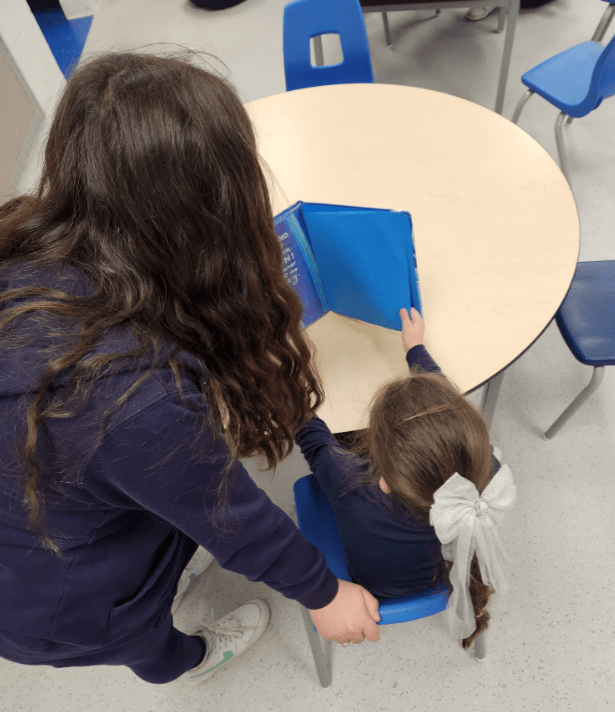
Reflection: As a teacher candidate, participating in the Reading Buddies activity provided me with valuable insights into the impact of various strategies and resources on learners, from both the perspective of the older and younger students involved. Here’s a reflection from my point of view:
Engagement and Motivation: One of the most notable aspects of the Reading Buddies activity was witnessing the high level of engagement and motivation among both the older and younger students. For the younger students, having the opportunity to read with an older buddy was incredibly exciting and motivating. They were eager to participate and improve their reading skills in the presence of their peers. Similarly, the older students were enthusiastic about sharing their knowledge and supporting their younger buddies in their learning journey. The sense of responsibility and pride they felt in being able to help someone else learn was evident throughout the activity.
Differentiated Instruction: Participating in Reading Buddies allowed me to observe firsthand the importance of differentiated instruction in meeting the diverse needs of learners. Each pair of students had unique abilities and learning styles, and as a teacher candidate, I had to adapt my approach to support their individual needs. For some pairs, this meant providing additional support with decoding words or understanding the meaning of the text, while for others, it involved challenging them with more complex reading tasks. Being able to tailor my instruction to meet the specific needs of each student was essential in ensuring their success and fostering a positive learning experience.
Collaboration and Peer Learning: Reading Buddies also highlighted the benefits of collaboration and peer learning in the classroom. The older students took on the role of mentors and guides, helping their younger buddies navigate through the reading materials and offering encouragement along the way. This peer-to-peer interaction not only enhanced the younger students’ reading skills but also fostered positive relationships and a sense of camaraderie among the entire group. As a teacher candidate, I recognized the importance of creating opportunities for students to learn from each other and collaborate in meaningful ways.
Assessment and Feedback: Throughout the Reading Buddies activity, I had the opportunity to assess the progress of both the older and younger students and provide feedback to support their growth. I observed their reading fluency, comprehension, and engagement levels, using this information to guide my instructional decisions and provide targeted support where needed. Additionally, I encouraged the older students to reflect on their teaching strategies and the effectiveness of their support for their younger buddies, fostering metacognitive skills and self-awareness.
In conclusion, participating in the Reading Buddies activity was a valuable learning experience that deepened my understanding of how different strategies and resources impact learners in the classroom. It reinforced the importance of engagement, differentiated instruction, collaboration, and assessment in supporting student learning and success. As a teacher candidate, I will carry these insights forward into my future practice, striving to create inclusive and supportive learning environments where all students can thrive.
Holy Thursday
March 28, 2024
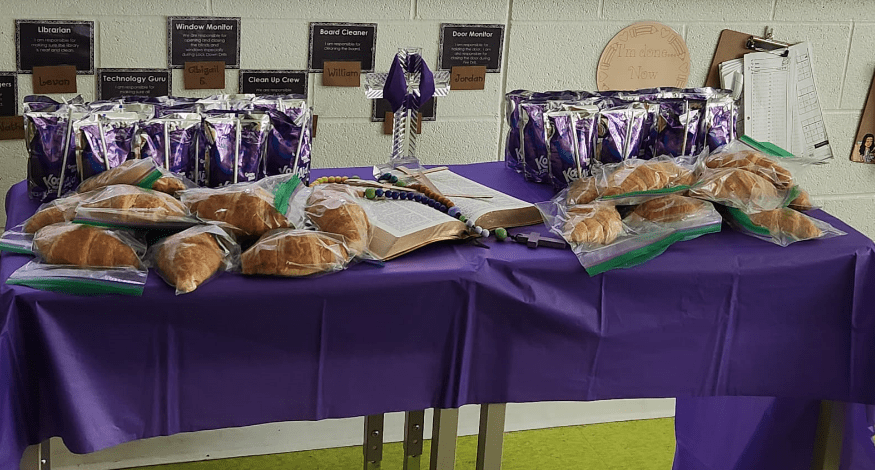
Activity & Lesson Plan: Today’s focus was on Holy Week in the Catholic Faith. Students spent the day celebrating and exploring the events leading up to Holy Thursday and Easter by making a World Peace Rosary and engaging in a “Last Supper.”
Most Memorable Moment: Today’s events was wholesome. It was interesting to see students engaged in making rosaries, participating in a Last Supper, and connecting to the Catholic Faith.
Learning Outcome Connection: Orientation to the Profession by by observing and reflecting upon the impact of strategies and resources on learners (teacher talk, textbooks, technology, manipulative transitions, success criteria, timing, planning, assessment, etc.)
Connections to Theory: Today’s activities surrounding Holy Week in the Catholic Faith provide numerous connections to educational theory and Ministry guidelines.
1. Constructivism Theory – The activity engages students in active learning experiences, such as making a World Peace Rosary and participating in a “Last Supper,” aligning with the constructivist theory that emphasizes hands-on, experiential learning. By actively participating in the rituals and traditions of Holy Week, students construct their understanding of the significance of these events within the Catholic Faith.
2. Differentiated Instruction (DI) – The activity allows for differentiation by accommodating diverse learning styles and preferences. Some students may excel in the hands-on task of making rosaries, while others may prefer participating in dramatic reenactments like the “Last Supper.” By providing multiple entry points and opportunities for students to engage with the content in ways that resonate with them, the lesson supports the principles of differentiated instruction.
3. Ontario Catholic School Graduate Expectations – The lesson connects to the expectation of nurturing students as reflective, creative, and responsible individuals with an ethical foundation. By immersing students in the rituals and teachings of the Catholic Faith, the activity promotes reflection on moral and spiritual values, fostering the development of students’ ethical and spiritual identities.
4. Ontario’s Equity and Inclusive Education Strategy – While celebrating Holy Week, the lesson emphasizes inclusivity and respect for diverse religious beliefs and backgrounds. By creating a welcoming and inclusive environment where students can explore and celebrate their faith traditions, the activity supports the goals of Ontario’s Equity and Inclusive Education Strategy, ensuring all students feel valued and respected in the classroom.
Reflection: As a teacher candidate, participating in and facilitating the Holy Week activities was an immensely enriching experience that provided valuable insights into both the practical application of pedagogical strategies and the profound impact of faith-based education.
Engaging in activities such as making a World Peace Rosary and reenacting the “Last Supper” allowed me to witness firsthand the power of experiential learning. Seeing the students immerse themselves in these hands-on tasks and witnessing their enthusiasm and curiosity as they explored the events leading up to Holy Thursday and Easter was truly inspiring. It reinforced for me the importance of providing students with meaningful, experiential learning opportunities that allow them to connect with and internalize complex concepts.
Moreover, facilitating these activities provided me with a deeper understanding of the role of faith-based education in nurturing students’ spiritual and moral development. Through discussions and reflections on the significance of Holy Week within the Catholic Faith, I observed how these experiences helped students develop a sense of reverence, empathy, and compassion. It underscored the importance of creating a supportive and inclusive classroom environment where students feel comfortable exploring and expressing their faith beliefs.
From a pedagogical perspective, the Holy Week activities also offered valuable lessons in differentiated instruction and assessment. I observed how the activities provided multiple entry points for students with diverse learning styles and preferences, allowing each student to engage with the content in a way that resonated with them. Additionally, I gained insights into the importance of using varied assessment strategies, such as informal observations and reflective discussions, to gauge student understanding and growth.
Looking ahead to my future practice as a teacher, the experience of facilitating the Holy Week activities has equipped me with a deeper appreciation for the role of faith-based education in promoting holistic student development. It has reaffirmed my commitment to creating inclusive and meaningful learning experiences that honor students’ diverse backgrounds and foster their spiritual, moral, and academic growth. As I continue on my journey in education, I am excited to integrate these insights and experiences into my teaching practice, striving to create classrooms where all students feel valued, supported, and empowered to reach their full potential.
Story Cubes
April 4, 2024
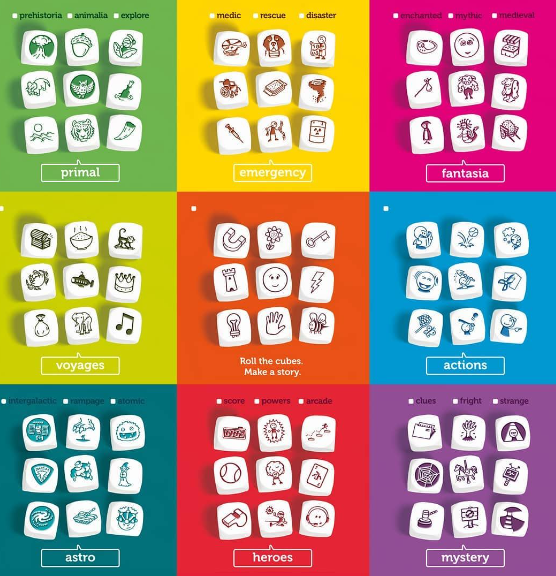
Activity & Lesson Plan: Today’s lesson revolves around creative writing using a set of dice, each with different images or symbols. Students needed to incorporate six different images or symbols from the set and formulate a creative short story of their choice.
Most Memorable Moment: Today’s highlight was watching students try to piece the story elements into one cohesive writing exposition. It was interesting to see students try to bounce ideas off of each other and value peer feedback as they unleashed their creativity.
Learning Outcome Connection: Orientation to the Profession by investigating learning from a micro-level perspective in support of small group and/or individual student learning.
Connections to Theory: Today’s activities connect to several educational theories that support learning from a micro-level perspective and small group and/or individual student learning.
1. Inquiry-Based Learning – Inquiry-based learning promotes active exploration and discovery through questioning, investigation, and problem-solving. In the context of creative writing with story cubes, students are encouraged to inquire about the images on the dice, generate ideas, and explore different narrative possibilities. By posing questions, experimenting with story structures, and experimenting with different storylines, students take ownership of their learning and develop critical thinking skills as they construct their stories.
2. Multiple Intelligences Theory – According to Howard Gardner’s theory of multiple intelligences, individuals have different strengths and preferences in how they learn and express themselves. Creative writing with story cubes provides opportunities for students to tap into various intelligences, such as linguistic intelligence (writing and storytelling), visual-spatial intelligence (interpreting images on the dice), and interpersonal intelligence (collaborating and sharing ideas with peers). By engaging students through different modalities, the activity caters to diverse learning styles and preferences.
3. Growing Success – The activity supports the principles of assessment and evaluation outlined in the Growing Success document, which emphasizes the importance of providing students with varied and authentic opportunities to demonstrate their learning. Creative writing with story cubes allows students to showcase their writing abilities in a creative and meaningful context, providing teachers with valuable insights into students’ literacy development.
4. Equity and Inclusive Education Strategy – The activity promotes equity and inclusivity by providing all students with the opportunity to engage in creative expression and storytelling. Story cubes offer a visual and tactile approach to writing that can be particularly beneficial for students with diverse learning needs, including English language learners and students with special education needs. By embracing multiple modes of expression, the activity supports the diverse needs and strengths of all learners.
Reflection: As a teacher candidate, facilitating the creative writing activity using story cubes was an enlightening experience that provided valuable insights into student learning and engagement. Witnessing students enthusiastically embrace the challenge of crafting original stories using the visual prompts on the dice was truly inspiring.
One of the most memorable aspects of the lesson was observing the diverse range of stories that students created, each one reflecting their unique perspectives, interests, and imaginations. Some students effortlessly wove together intricate plots filled with unexpected twists and turns, while others focused on developing rich character descriptions or exploring imaginative settings. It was fascinating to see how the same set of visual cues sparked such a wide array of creative ideas and narratives.
Moreover, facilitating this activity allowed me to observe firsthand the power of collaborative learning and peer feedback in enhancing student learning outcomes. As students worked together to brainstorm story ideas and provide constructive feedback to their peers, I observed them actively engaging in meaningful dialogue, supporting one another, and refining their writing skills through collaborative interaction.
From a pedagogical standpoint, the activity provided a valuable opportunity to integrate multimodal learning approaches and differentiated instruction strategies to meet the diverse needs of students in the classroom. The visual and tactile nature of the story cubes appealed to students with varying learning styles and abilities, allowing them to express themselves creatively and develop their writing skills in a supportive and inclusive environment.
Overall, facilitating the creative writing activity using story cubes was a rewarding experience that reinforced the importance of providing students with opportunities for self-expression, collaboration, and creative exploration in the classroom. Moving forward in my teaching practice, I am inspired to continue incorporating innovative and engaging activities that foster student creativity, critical thinking, and communication skills, ultimately empowering students to become confident and proficient writers.
New Units!
April 10, 2024
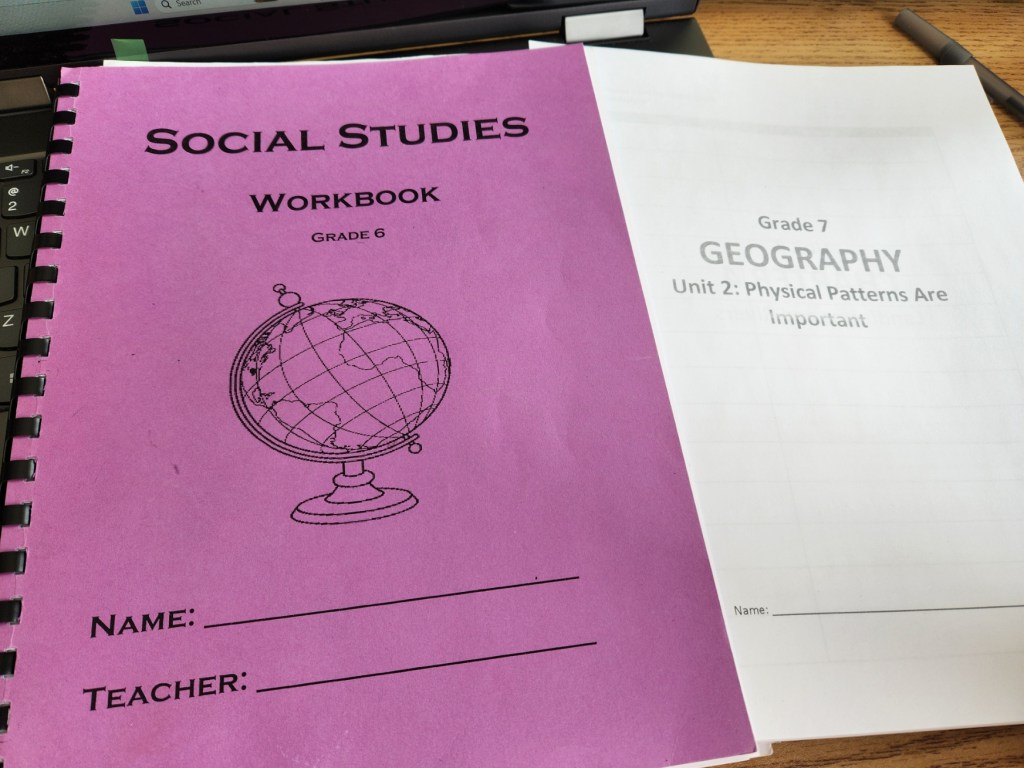
Activity & Lesson Plan: Today’s lesson is a new unit! Both units have synced and everyone can study together. The unit? Natural Disasters.
Most Memorable Moment: Today’s highlight was watching students try to problem-solve the water crisis many cities and countries are currently facing.
Learning Outcome Connection: Orientation to the Profession by reflecting critically on the links between theory and practice in Ontario schools.
Connections to Theory: Today’s activities connect to several educational theories and supports a meaningful experience.
1. Problem-Based Learning – The memorable moment of students engaging in problem-solving to address the water crisis directly relates to the principles of PBL. This approach emphasizes learning through solving real-world problems, fostering critical thinking, collaboration, and application of knowledge. By immersing students in a scenario relevant to current global challenges, you’re providing them with an opportunity to apply theoretical concepts to practical situations.
2. Experiential Learning – Experiential learning theory posits that learning is most effective when individuals actively engage in experiences and reflect on them. The memorable moment of students grappling with the complexities of the water crisis aligns with this theory. Through firsthand experience and reflection, students can deepen their understanding of the links between theory and practice. This process encourages them to critically analyze the underlying causes of natural disasters and consider potential solutions.
3. Reflective Practice – The learning outcome connection to reflecting critically on the links between theory and practice aligns with the concept of reflective practice. This theory emphasizes the importance of reflecting on one’s experiences to improve professional practice. By prompting students to critically reflect on how theoretical concepts apply to real-world scenarios like the water crisis, you’re fostering their ability to make meaningful connections between theory and practice. This reflective process enhances their professional development as future educators.
4. Constructivism – Constructivist theory posits that individuals construct their own understanding of the world through experiences and reflection. The memorable moment of students actively engaging in problem-solving and reflecting on the water crisis aligns with this theory. By providing opportunities for students to construct their knowledge through hands-on experiences and reflection, you’re promoting deeper understanding and critical thinking skills.
Reflection:
As a teacher candidate, today’s lesson on natural disasters provided a profound learning experience that deeply resonated with me. Witnessing my students grapple with the complex issue of the water crisis was both enlightening and inspiring. It was a moment where theory truly met practice, and the connections between the two became vividly clear.
Throughout the lesson, I observed my students engaging in problem-solving activities, collaborating with their peers, and critically analyzing the root causes of the water crisis. It was evident that they were not only applying theoretical concepts learned in the classroom but also drawing upon their own experiences and insights to address real-world challenges.
The integration of problem-based learning principles allowed my students to immerse themselves in the scenario, fostering a sense of ownership and agency over their learning. Watching them navigate through the complexities of the water crisis reinforced my belief in the power of experiential learning to cultivate critical thinking skills and social responsibility.
Moreover, the connection to our learning outcome of reflecting critically on the links between theory and practice resonated deeply with me. As I guided my students through discussions on the theoretical underpinnings of natural disasters and their practical implications, I couldn’t help but reflect on my own journey as a future educator.
This experience reaffirmed the importance of reflective practice in my professional development. It challenged me to continually evaluate how I can bridge the gap between theory and practice in my future classroom, ensuring that my teaching is grounded in sound pedagogical principles while remaining responsive to the dynamic needs of my students and the world around us.
Overall, today’s lesson served as a poignant reminder of the transformative potential of education. It reminded me that as educators, we have a responsibility to empower our students to become critical thinkers, problem-solvers, and agents of change in their communities and beyond. It was a day filled with moments of discovery, growth, and inspiration that will undoubtedly shape my journey as a future educator.
Roots Unveiled: Exploring Identity Through ‘I Am From’ Poetry!
April 15, 2024
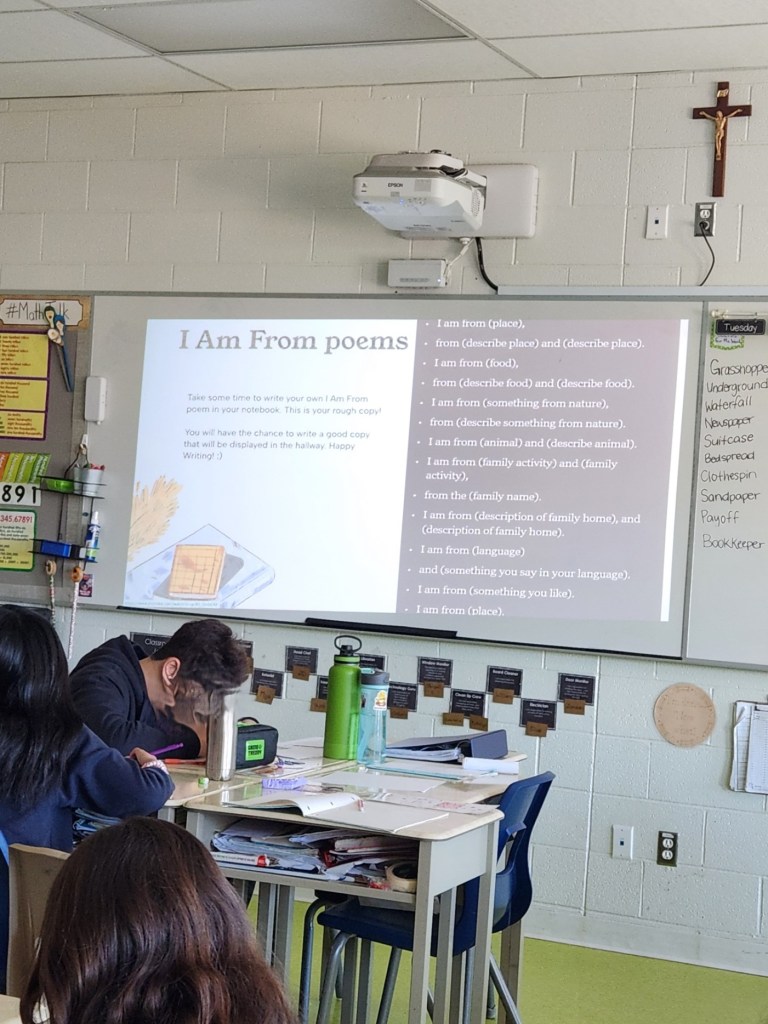
Activity & Lesson Plan: Today’s lesson is a new unit – Poetry! Students were given the opportunity to explore their identity through an ‘I Am From’ poem.
Most Memorable Moment: Today’s highlight was watching students put their experiences into words. They were excited to share their favorite moments, likes, and dislikes. It was nice to see everyone’s cultures be welcomed in class.
Learning Outcome Connection: Orientation to the Profession by developing relationships with students, teachers, other teacher candidates, school staff, parents, and others.
Connections to Theory: Today’s activities connect to several educational theories and supports a meaningful experience.
1. Culturally Relevant Pedagogy – The activity acknowledges and validates students’ cultural identities by inviting them to explore and share their personal experiences. By incorporating students’ cultural backgrounds into the curriculum, the lesson promotes inclusivity and cultural sensitivity.
2. Social Constructivism – Through sharing their poems with each other, students contribute to a collaborative learning environment where they can appreciate and respect each other’s diverse backgrounds. This aligns with the idea that learning is socially constructed through interaction and dialogue.
3. Humanistic Education – Focusing on personal experiences and emotions in the ‘I Am From’ poems allows students to express themselves authentically. This approach emphasizes the importance of addressing the holistic development of students, including their emotional and social well-being.
4. Community Building – The memorable moment of students sharing their poems highlights the importance of building relationships within the classroom community. Creating a supportive and inclusive classroom environment where students feel comfortable expressing themselves is essential for effective teaching and learning.
Reflection:
As a student teacher embarking on my journey in education, today’s lesson on ‘I Am From’ poetry resonated deeply with me, both personally and professionally. Guiding my students through this exploration of identity felt like more than just a pedagogical task; it was a journey of self-discovery for all of us.
Engaging students in the process of crafting their own ‘I Am From’ poems was a profound experience. Witnessing their excitement as they delved into their memories, likes, dislikes, and cultural backgrounds was a reminder of the richness and diversity present within our classroom. Each poem became a window into the unique life story of its author, revealing layers of identity waiting to be explored.
As a future educator, this lesson reinforced the importance of creating inclusive and culturally responsive learning environments. By inviting students to share their personal experiences and cultural heritage through poetry, I not only validated their identities but also fostered a sense of belonging and acceptance in the classroom. Building these connections with my students lays the foundation for meaningful learning experiences and sets the stage for a supportive community of learners.
The most memorable moment of the day was undoubtedly the sharing session, where students eagerly presented their poems to their peers. Watching them listen attentively, nodding in understanding or offering words of encouragement, filled me with pride and gratitude. In that moment, I realized the transformative power of education to not only impart knowledge but also to nurture empathy, understanding, and respect for others’ experiences.
Reflecting on today’s lesson, I am reminded of the words of bell hooks: “Education is the practice of freedom.” Through ‘I Am From’ poetry, I am not only teaching my students to write, but also empowering them to embrace their identities, celebrate their diversity, and find their voices in a world that often tries to silence them. As I continue on my journey as an educator, I carry with me the conviction that every student deserves the opportunity to be seen, heard, and valued for who they are.
Money Matters: Navigating Financial Literacy Through Spending Goals!
April 17, 2024
Activity & Lesson Plan: Today’s lesson is on money matters! The lesson enhanced students’ understanding of financial literacy by exploring budgeting, saving strategies, and setting financial goals through a hands-on math task.
Most Memorable Moment: Today’s memorable moment is seeing that students are actively engaged in the budgeting exercise, particularly when they realize the significance of their financial decisions and the impact it can have on achieving their goals.
Learning Outcome Connection: Orientation to the Profession by reflecting on how the school structure (physical environment, committees, extra-curricular activities, etc.) impacts student learning.
Connections to Theory: Today’s activities connect to several educational theories and supports a meaningful experience.
1. Hands-on Learning – By engaging students in hands-on activities and providing opportunities for reflection, the lesson fosters a supportive learning environment where students can develop essential financial literacy skills.
2. Self-Determination Theory – The memorable moment of students realizing the impact of their financial decisions on their goals aligns with the principles of self-determination theory, which emphasizes the importance of autonomy, competence, and relatedness in fostering intrinsic motivation. As students gain a sense of control over their finances and see the connection between their actions and outcomes, they are likely to feel more motivated and empowered to manage their money effectively.
3. Cognitive Apprenticeship – The memorable moment of students realizing the significance of their financial decisions reflects the process of cognitive apprenticeship, where students observe, internalize, and apply the knowledge and skills demonstrated by the teacher. This moment signifies a transition from passive learning to active engagement in managing their own financial futures.
4. Growing Success – The lesson plan can be tailored to meet the diverse learning needs of students, aligning with the principle of differentiated instruction in “Growing Success.” Teachers can provide additional support or extension activities based on students’ individual abilities and interests, ensuring that all learners have opportunities to succeed in developing financial literacy skills.

Reflection:
As a teacher candidate, today’s lesson on financial literacy was an eye-opening experience that not only deepened my understanding of the subject matter but also reaffirmed my commitment to fostering essential life skills in my future students.
Engaging students in activities that explored budgeting, saving strategies, and setting financial goals was both challenging and rewarding. Witnessing their enthusiasm as they grappled with real-world scenarios and made connections between their decisions and their financial futures was truly inspiring. In particular, the memorable moment of seeing students recognize the significance of their financial choices highlighted the transformative power of experiential learning.
Reflecting on this lesson, I realize the importance of providing students with opportunities to develop critical thinking skills and practical knowledge that will serve them well beyond the classroom. By incorporating hands-on activities and discussions into the curriculum, I can create a learning environment where students feel empowered to take control of their finances and make informed decisions.
Moreover, connecting the lesson to the Ontario education framework, particularly the principles of assessment in “Growing Success,” reinforced the importance of ongoing assessment and feedback in supporting student learning. As a teacher, I am committed to using a variety of assessment strategies to ensure that all students have the opportunity to demonstrate their understanding and progress in financial literacy.
Looking ahead, I am excited to continue exploring innovative teaching practices and resources that will help me effectively teach financial literacy concepts in the classroom. By instilling in my students the knowledge, skills, and attitudes they need to navigate the complex world of personal finance, I hope to empower them to achieve their goals and lead financially secure lives.
In conclusion, today’s lesson on financial literacy was not just about teaching math—it was about equipping students with the tools they need to succeed in life. As a teacher candidate, I am grateful for the opportunity to be a part of their journey toward financial empowerment and lifelong learning.
Scientist in the Classroom!
April 18, 2024
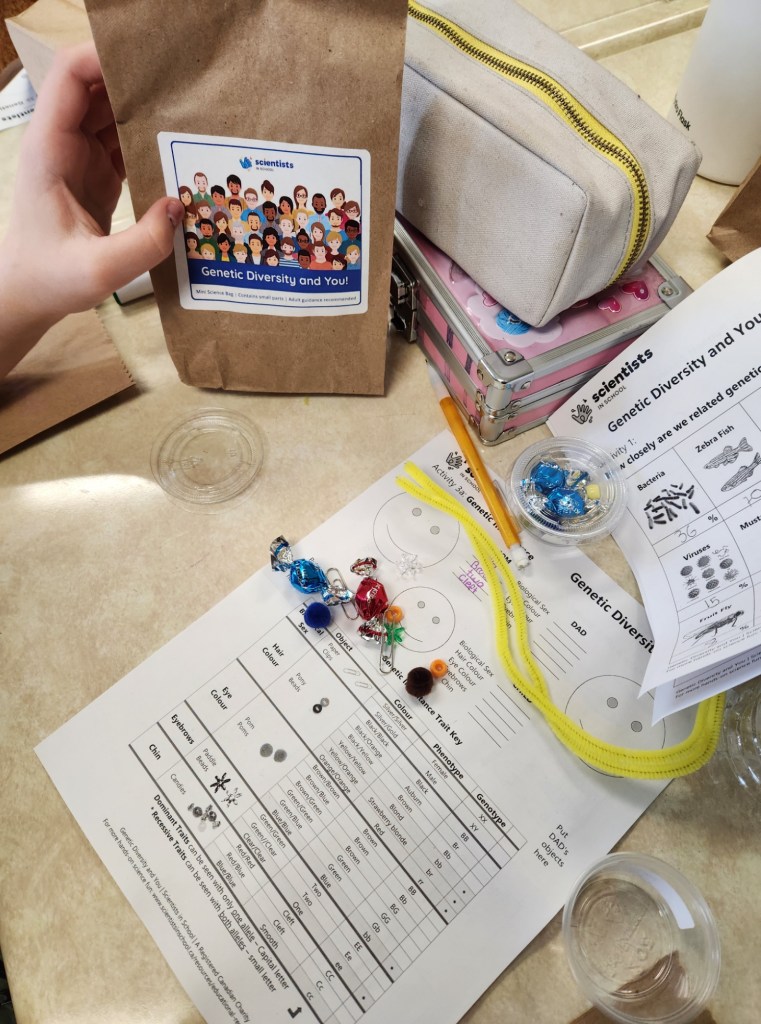
Activity & Lesson Plan: Today’s plan is to engage in a scientific experiment where students are guided through a series of tasks that explore DNA and Genetics. A scientist will guide students in creating their own DNA strand based on the first-letter of their name.
Most Memorable Moment: Seeing that students are fully immersed in the hands-on activity of creating their own DNA strands based on the first letter of their names. As they collaborate with peers and arrange nucleotide bases, a sense of excitement and discovery fills the classroom. Witnessing the realization of how DNA determines genetic traits, students connect the abstract concept to their own identities, fostering a deeper understanding of genetics and igniting a passion for scientific inquiry.
Learning Outcome Connection: Orientation to the Profession by observing and reflecting upon the impact of strategies and resources on learners (teacher talk, textbooks, technology, manipulative transitions, success criteria, timing, planning, assessment, etc.).
Connections to Theory: Today’s activities connect to several educational theories and supports a meaningful experience.
1. Inquiry-Based Learning – The activity encourages students to ask questions, explore hypotheses, and draw conclusions about DNA and genetics, aligning with the principles of inquiry-based learning. By guiding students through a series of tasks that prompt investigation and discovery, the lesson promotes curiosity, critical thinking, and problem-solving skills.
2. Constructivism – The hands-on scientific experiment engages students in constructing their understanding of DNA and genetics through active participation and discovery. By creating their own DNA strands and witnessing the connection between genetic traits and their identities, students construct meaning from their experiences, aligning with the constructivist theory of learning.
3. STEM Education – The activity integrates science, technology, engineering, and mathematics (STEM) principles by involving students in a scientific experiment related to genetics. Through the use of manipulatives and possibly technology for visualization, students engage in interdisciplinary learning that fosters a holistic understanding of STEM concepts.
4. Multiple Intelligences – The hands-on nature of the activity caters to diverse learning styles and intelligences, allowing students to engage with the material kinesthetically and visually. By creating their own DNA strands and collaborating with peers, students with different strengths and preferences can actively participate and excel in the learning process.
Reflection:
Today’s immersive experiment delving into DNA and genetics served as a powerful reminder of the transformative potential inherent in science and STEM education. As a teacher candidate, witnessing students’ faces light up with curiosity and wonder reaffirmed my belief in the essential role of hands-on exploration in fostering a deep understanding of scientific concepts.
Drawing upon educational theories such as constructivism and inquiry-based learning, I observed how students actively constructed their understanding of DNA and genetics through direct engagement with the material. By creating their own DNA strands and collaborating with peers, students not only absorbed information but also internalized concepts in a meaningful way, aligning with the principles of cognitive apprenticeship.
Moreover, the integration of STEM principles in the lesson exemplified the interdisciplinary nature of modern education. By combining science, technology, engineering, and mathematics, students were exposed to a holistic approach to problem-solving and inquiry, reflecting the principles of STEM education and multiple intelligences theory.
In the context of Ontario’s “Growing Success” framework, this hands-on experiment provided a tangible example of how effective teaching practices can impact student learning outcomes. By observing and reflecting on the engagement levels of students, as well as their ability to connect abstract scientific concepts to their own identities, I gained valuable insights into the importance of student-centered pedagogy and ongoing assessment practices.
Perhaps most importantly, today’s lesson underscored the significance of prioritizing science education in the classroom. In a world where science is often overlooked or marginalized, providing students with opportunities to engage in authentic scientific inquiry is essential for cultivating a generation of critical thinkers and problem-solvers. By igniting a passion for science at an early age, we can empower students to become active participants in shaping the future of our world. Today’s experience serves as a poignant reminder of the profound impact that effective science education can have on the lives of students and the broader society.
Driving Towards Financial Literacy: Car Purchases!
April 22, 2024
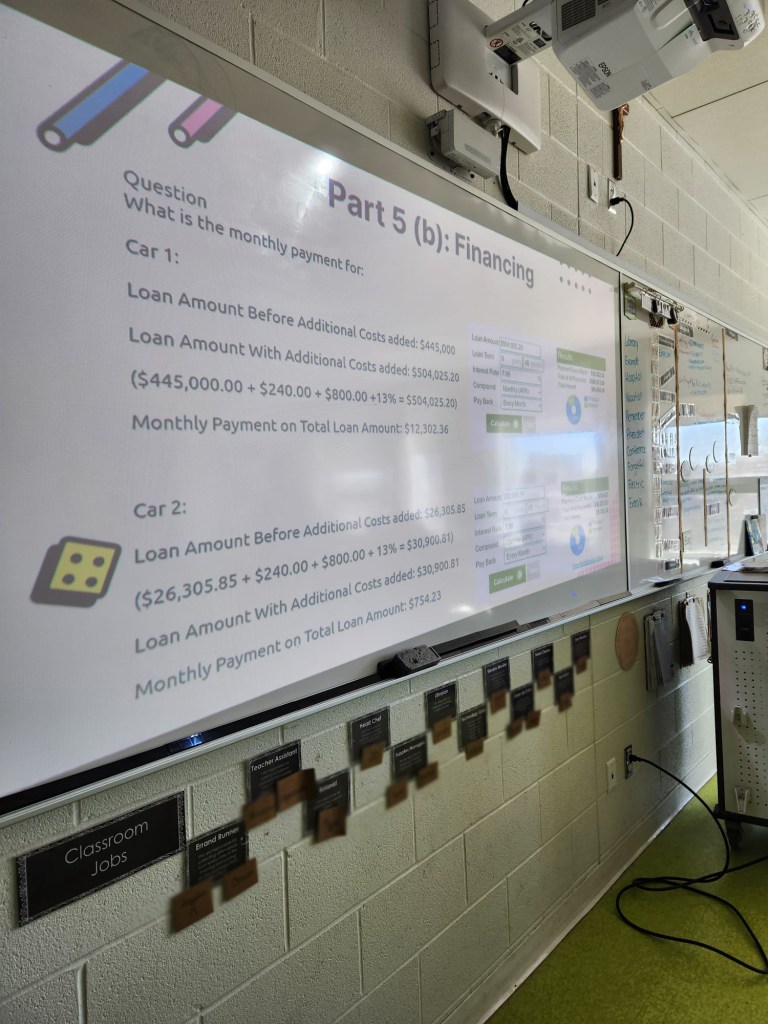
Activity & Lesson Plan: Today’s lesson is a culminating activity where students are comparing two cars (realistic and non-realistic choices) using financial literacy concepts and mathematical skills. Their goal is to determine different variables to help determine which car is the better choice, making it a real-world problem many young adults will face in the future.
Most Memorable Moment: Watching students tackle calculations for gas costs, insurance expenses, and MSRP provides a captivating glimpse into their problem-solving abilities. It showcases their application of mathematical skills and critical thinking in real-world scenarios, reflecting their growth and development in financial literacy. This memorable moment underscores the practical relevance of the lesson as students navigate complex decisions surrounding car purchases.
Learning Outcome Connection: Orientation to the Profession by reflecting critically on the links between theory and practice in Ontario schools.
Connections to Theory: Today’s activities connect to several educational theories and supports a meaningful experience.
1. Problem-based Learning – PBL is an instructional approach where students learn by actively solving real-world problems. In this activity, students are presented with the problem of choosing between two cars and must apply financial literacy concepts to make an informed decision. PBL encourages critical thinking, collaboration, and problem-solving skills.
2. Constructivism – This theory suggests that learners construct their understanding and knowledge through active engagement with the learning material. In this activity, students are actively engaged in comparing cars, applying financial literacy concepts, and making decisions based on their analysis. Their prior knowledge of financial literacy concepts from weeks prior is also useful in their decision-making and problem-solving processes.
3. Experiential Learning – Experiential learning theory, proposed by David Kolb, emphasizes the importance of concrete experience, reflective observation, abstract conceptualization, and active experimentation in the learning process. In this activity, students engage in experiential learning as they compare cars, reflect on their choices, conceptualize financial concepts, and experiment with different decision-making strategies.
4. Multiple Intelligences – Proposed by Howard Gardner, this theory suggests that individuals have different types of intelligences, such as linguistic, logical-mathematical, spatial, musical, bodily-kinesthetic, interpersonal, intrapersonal, and naturalistic. In the activity of comparing cars, students may engage various intelligences as they analyze data, communicate their findings, visualize car features, and consider their personal preferences.
Reflection:
As a future educator, the experience of watching my students delve into the intricacies of financial calculations during our lesson on comparing cars was not just a moment of observation—it was a profound learning journey for me as well. Witnessing their earnest efforts to grapple with concepts like gas costs, insurance expenses, and MSRP provided invaluable insights into their problem-solving abilities and their evolving understanding of financial literacy.
What struck me most was the resilience and determination they exhibited in the face of challenges. Despite encountering difficulties and requiring guidance along the way, they persisted with admirable tenacity, demonstrating a genuine commitment to mastering the material. This resilience, coupled with their willingness to engage with the complexities of real-world scenarios, highlighted the transformative potential of hands-on, experiential learning.
Moreover, their recognition of the practical relevance of the lesson was particularly heartening. As they reflected on how the concepts they were learning would directly impact their future decisions, it became clear that they were not just absorbing information for the sake of it—they were actively seeking to apply their newfound knowledge in meaningful ways. This realization reinforced for me the importance of designing learning experiences that resonate with students’ lived experiences and aspirations, thereby fostering deeper engagement and understanding.
As I reflect on this experience, I am reminded of the critical role that educators play in facilitating students’ journeys from theory to practice. By providing them with opportunities to critically reflect on the links between what they learn in the classroom and how it translates into real-world contexts, we empower them to become lifelong learners and informed decision-makers. Moving forward, I am inspired to continue creating dynamic, student-centered learning environments where curiosity, resilience, and relevance converge to shape meaningful educational experiences.
Bleezer’s Ice Cream Shop!
April 23, 2024
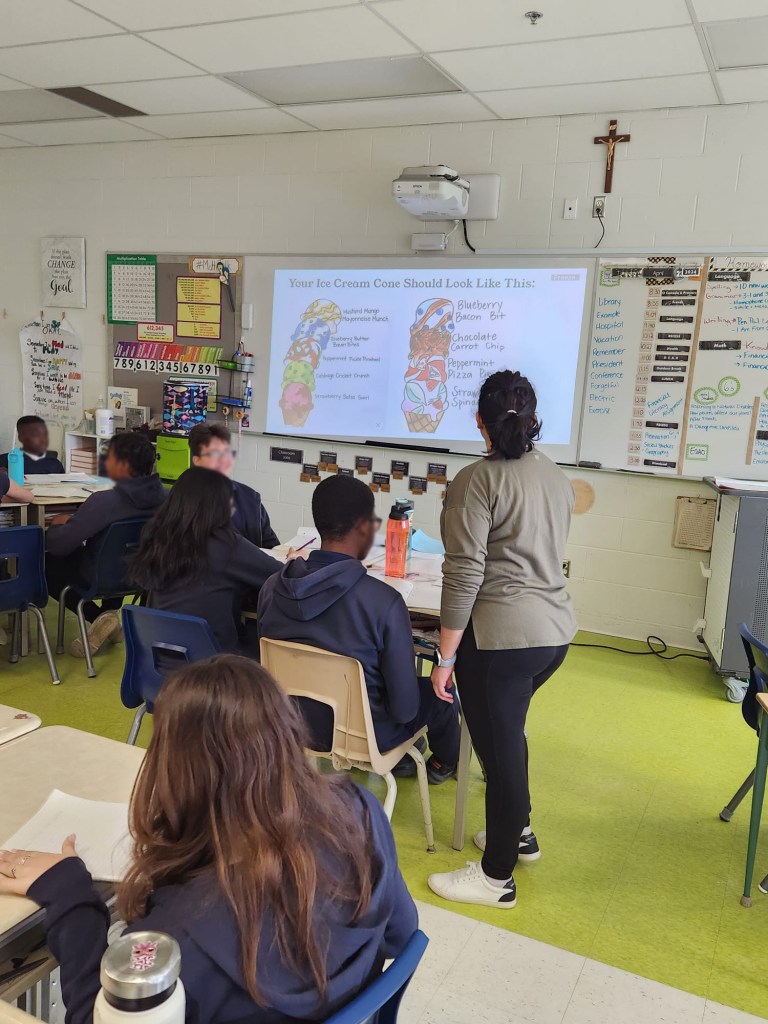
Activity & Lesson Plan: Today students embarked on a whimsical journey at Bleezer’s Ice Cream shop, crafting alliteration ice cream cones as a delightful means to explore literary devices. This engaging activity not only fostered an appreciation for alliteration but also served as a canvas for artistic expression, sparking creativity and laughter among students.
Most Memorable Moment: Amidst scoops of imagination, the most memorable moment unfolded as students enthusiastically collaborated to concoct the quirkiest, most outlandish ice cream flavors imaginable. Amidst the laughter and camaraderie, a profound realization emerged: the power of alliteration to captivate and charm, both in poetry and the world around us. As students pieced together the playful use of language, they discovered its ability to tantalize the senses and leave a lasting impression, igniting a newfound curiosity for the magic of words.
Learning Outcome Connection: Orientation to the Profession by reflecting on how the school structure (physical environment, committees, extra-curricular activities, etc.) impacts student learning.
Connections to Theory: Today’s activities connect to several educational theories and supports a meaningful experience.
1. Physical Environment – The physical environment of the school, particularly the art classroom or designated creative space, provides the setting for the activity. A well-equipped and conducive environment encourages students to express their creativity freely and engage actively in the task.
2. Socio-Cultural Theory – Socio-cultural theory emphasizes the role of social interaction and cultural context in cognitive development. In the activity, students may draw on their cultural backgrounds and experiences to create alliteration ice cream flavors that resonate with their personal identities. Additionally, collaborative discussions and peer interactions fostered by the activity reflect the socio-cultural aspects of learning.
3. Experiential Learning – Experiential learning theory suggests that learners acquire knowledge through direct experiences and reflection on those experiences. In the activity, students engage in experiential learning as they actively participate in creating alliteration ice cream cones and reflect on the effectiveness of their choices in grabbing attention and making things memorable.
4. Multiple Intelligences – According to this theory, individuals have different types of intelligences, such as linguistic, spatial, interpersonal, and kinesthetic. The activity of creating alliteration ice cream cones allows students to engage multiple intelligences as they use language creatively (linguistic intelligence), visualize their ice cream creations (spatial intelligence), collaborate with peers (interpersonal intelligence), and physically manipulate materials (kinesthetic intelligence).
Reflection:
As a student teacher who designed and implemented the activity of creating alliteration ice cream cones, I found the experience to be incredibly rewarding and insightful. From the initial planning stages to the execution of the activity, I witnessed firsthand the impact of integrating creative, hands-on experiences into the curriculum and the potential it holds for shaping my teaching style.
Throughout the process, I was struck by the level of engagement and enthusiasm displayed by the students. Seeing them eagerly brainstorming and collaborating to come up with the most imaginative and humorous alliteration ice cream flavors was truly inspiring. It reaffirmed my belief in the power of experiential learning to capture students’ interest and foster a deeper understanding of complex concepts.
Moreover, as students delved into the activity, I observed how it encouraged them to think critically about language and its role in communication. Through discussions about the effectiveness of alliteration in creating memorable phrases and advertising slogans, students not only honed their literary skills but also gained valuable insights into the persuasive power of language in the real world.
Reflecting on the execution of the activity, I recognize how it has shaped my teaching style moving forward. The success of the activity highlighted the importance of creating learning experiences that are both engaging and relevant to students’ interests and experiences. It underscored the value of incorporating creativity and hands-on activities into the curriculum to enhance student learning and foster a positive classroom culture.
Furthermore, the activity served as a reminder of the importance of flexibility and adaptability in teaching. As I navigated the dynamic nature of the classroom environment and responded to students’ questions and ideas in real time, I learned the importance of being open to spontaneous opportunities for learning and exploration.
Overall, the experience of designing and implementing the activity of creating alliteration ice cream cones has greatly influenced my teaching style. It has reinforced my commitment to student-centered, experiential learning approaches and inspired me to continue seeking innovative ways to engage and empower my students in their learning journey.
Exploring Ecology: A Grade 7 Adventure at Downsview Park!
April 25, 2024
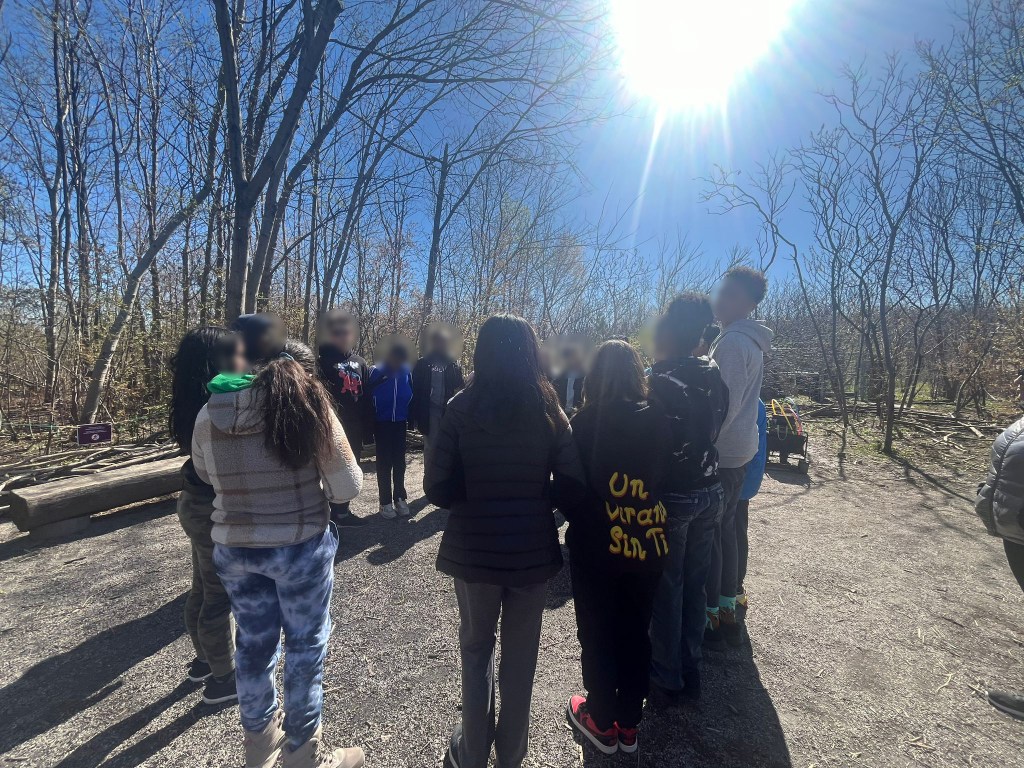
Activity & Lesson Plan: During our Grade 7 trip to Downsview Park, students participated in a series of interactive cooperative games designed to explore key curriculum concepts. Through engaging activities, students gained insights into topics such as migration patterns, deforestation, climate change, environmental sustainability, habitat protection initiatives, and community building. Additionally, students had the opportunity to learn from Indigenous teachings on environmental sustainability, enriching their understanding of our interconnectedness with the natural world and traditional ecological knowledge.
Most Memorable Moment: One memorable moment from our Grade 7 trip to Downsview Park was witnessing students fully immerse themselves in cooperative games designed to explore ecological concepts. As they navigated challenges and worked together, I observed a palpable sense of camaraderie and enthusiasm among the students. It was inspiring to see them embrace the opportunity to learn about complex environmental issues in a hands-on and interactive way, fostering a deeper appreciation for the interconnectedness of ecosystems and our role in preserving them.
Learning Outcome Connection: Orientation to the Profession by reflecting on how the school structure (physical environment, committees, extra-curricular activities, etc.) impacts student learning.
Connections to Theory: Today’s activities connect to several educational theories and supports a meaningful experience.
1. Experiential Learning – The trip offers students hands-on experiences that allow them to directly engage with ecological concepts and Indigenous teachings in a real-world setting. Experiential learning theory posits that students learn best through direct experience, reflection, and active participation, making the trip an ideal opportunity for students to deepen their understanding of environmental sustainability and community building.
2. Constructivism – Through participation in cooperative games and Indigenous teachings, students actively construct their understanding of ecological concepts by making connections between theory and practice. Constructivism emphasizes the importance of learners actively constructing their own knowledge through interaction with their environment, making the trip to Downsview Park a rich learning experience.
3. Ecological Literacy – The trip focuses on developing students’ ecological literacy by exploring concepts such as migration patterns, deforestation, climate change, and habitat protection initiatives. Ecological literacy refers to the understanding of ecological principles and the ability to apply this knowledge to solve environmental problems, which is central to the activities and discussions during the trip.
4. Indigenous Knowledge and Perspectives – The trip provides students with opportunities to learn from Indigenous teachings on environmental sustainability and stewardship. Indigenous knowledge systems emphasize the interconnectedness of all living beings and the importance of respecting and caring for the land, providing students with valuable insights into alternative ways of knowing and understanding the natural world.
Reflection:
As a student teacher with a passion for outdoor education, the Grade 7 trip to Downsview Park was a deeply enriching and enlightening experience that affirmed the importance of incorporating outdoor learning opportunities into the curriculum. Throughout the trip, I witnessed firsthand the profound impact that experiential learning in natural environments can have on students’ academic success and personal growth.
One of the most striking aspects of the trip was observing how students’ engagement and enthusiasm soared as they immersed themselves in cooperative games and Indigenous teachings amidst the natural beauty of Downsview Park. The outdoor setting provided a dynamic and immersive learning environment that sparked curiosity, creativity, and a sense of wonder among students. It became evident to me that outdoor education offers unique opportunities for students to connect with curriculum concepts in meaningful and memorable ways, fostering deeper understanding and long-lasting learning outcomes.
Moreover, the trip highlighted the importance of ecological literacy and environmental stewardship in today’s world. Through discussions on migration patterns, deforestation, climate change, and habitat protection initiatives, students gained valuable insights into pressing environmental issues and the role they can play in addressing them. The outdoor setting served as a powerful backdrop for these discussions, allowing students to witness firsthand the interconnectedness of ecosystems and the impact of human actions on the environment.
Additionally, the trip underscored the importance of community building and fostering positive relationships among students. As they worked together to solve challenges and support one another during cooperative games, students developed teamwork, communication, and leadership skills that are essential for academic success and social-emotional well-being. The sense of camaraderie and shared purpose that emerged among students served as a testament to the transformative power of outdoor education in promoting positive peer interactions and building a sense of belonging.
Overall, the Grade 7 trip to Downsview Park deepened my understanding of the importance of outdoor education in promoting academic success and holistic student development. It reaffirmed my commitment to incorporating outdoor learning opportunities into my future teaching practice, recognizing the immense value they offer in cultivating engaged, resilient, and environmentally conscious learners.
Final Farewell: Celebrating Our Journey Together!
April 26, 2024
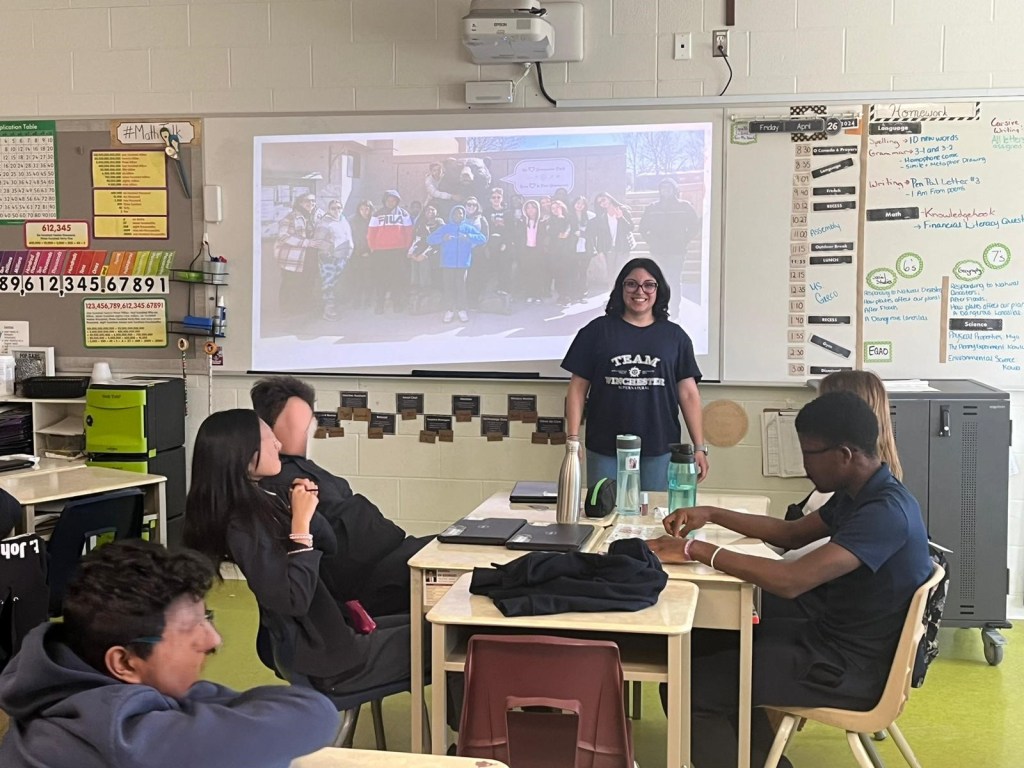
Activity & Lesson Plan: For my final day, I decided to create a memorable experience by combining two engaging activities: a Kahoot game revisiting key teachings and lessons from our time together, followed by a lively and interactive poetry lesson on onomatopoeia. We ended our day in gym class with partner yoga which was, simply put, an hour of pure laughter.
Most Memorable Moment: One memorable moment from our final day together was the contagious laughter that filled the gymnasium during our partner yoga session. As we wrapped up our day of reflection and learning with a fun and energizing activity, I couldn’t help but smile as students enthusiastically engaged in the practice, supporting each other with laughter and lighthearted camaraderie. It was a joyous culmination of our time together, symbolizing not only the bonds we’ve formed but also the importance of laughter and connection in our journey of growth and learning.
Learning Outcome Connection: Orientation to the Profession by investigating learning from a micro-level perspective in support of small group and/or individual student learning.
Connections to Theory: Today’s activities connect to several educational theories and supports a meaningful experience.
1. Experiential Learning – The day’s lesson plan incorporates elements of experiential learning, which posits that learners acquire knowledge through direct experience and reflection. Students engage in a variety of experiential activities, such as playing the Kahoot game, participating in the interactive poetry lesson, and practicing partner yoga. These experiences provide students with opportunities to apply theoretical knowledge in practical contexts, fostering deeper learning and personal growth.
2. Community Building – The memorable moment of laughter-filled partner yoga exemplifies the importance of community building in the classroom. By engaging in activities that foster teamwork, cooperation, and positive relationships, students develop a sense of belonging and connection to their peers and the learning environment. This sense of community enhances student engagement, motivation, and overall well-being, contributing to a positive and supportive learning environment.
3. Culturally Responsive Pedagogy – The activities and memorable moment provide opportunities to incorporate culturally responsive pedagogy by valuing students’ diverse backgrounds, perspectives, and experiences. For instance, the poetry lesson could include examples of onomatopoeia from different cultural traditions, allowing students to see themselves reflected in the curriculum. Additionally, the partner yoga session can draw on diverse cultural practices related to mindfulness and physical wellness, promoting inclusivity and respect for all students’ cultural identities.
4. Holistic Education – The day’s activities support a holistic approach to education by addressing students’ intellectual, emotional, social, and physical development. Through the combination of academic review, creative expression, and physical activity, students’ diverse needs and abilities are honored, contributing to their overall growth and well-being. This aligns with the Ministry’s goal of fostering the holistic development of students as individuals and members of society.
Reflection:
As I reflect on the culmination of my teaching block and the educational journey we’ve embarked on together, I am filled with a profound sense of gratitude and satisfaction. The final day’s activities, combining a Kahoot game, an interactive poetry lesson, and partner yoga, epitomized the essence of our time together: joyful learning, meaningful connections, and holistic growth.
One unforgettable moment that stands out from our final day is the contagious laughter that reverberated throughout the gymnasium during our partner yoga session. It was a heartwarming sight to witness students fully immersed in the practice, supporting each other with genuine laughter and lighthearted camaraderie. This moment encapsulated the spirit of our classroom community – one built on mutual respect, collaboration, and joyous celebration of learning.
In connecting this experience to the learning outcome of investigating learning from a micro-level perspective, I recognize the significance of small group and individual interactions in fostering meaningful learning experiences. Throughout our time together, I strived to create opportunities for personalized learning and tailored support, recognizing the unique strengths and needs of each student. The partner yoga session exemplified this approach, as students supported and encouraged each other in a small group setting, fostering a sense of belonging and connection.
Moreover, this experience aligns with my teaching philosophy, which centers on creating inclusive and engaging learning environments where students feel empowered to explore, express themselves, and build meaningful connections with their peers. By integrating playful and interactive activities like the Kahoot game and partner yoga, alongside meaningful content like the poetry lesson, I aimed to foster a love for learning and a sense of curiosity and wonder in my students.
As I bid farewell to this teaching block and look ahead to future endeavors, I carry with me the invaluable lessons learned from this experience. I am reminded of the transformative power of laughter, connection, and joy in the classroom, and the profound impact of student-centered, experiential learning approaches in promoting academic success and holistic development. With these insights in mind, I am inspired to continue growing and evolving as an educator, dedicated to creating enriching and empowering learning experiences for all students.
 The Sage's Library: Education Untold